


Igniting a Passion for Lifelong Learning Through Afrocentric Education
Forget what you think education looks like! When your child’s learning centers on Afrocentric education, it sparks a lifelong passion that celebrates African heritage and builds a strong cultural identity. This approach doesn’t just teach facts—it shapes confident leaders ready to thrive as global citizens. Let’s explore how this powerful blend creates learners who carry pride and purpose every step of the way! [https://senecavillagemontessori.com/how-afrocentric-education-builds-confidence-and-cultural-identity-in-preschoolers/]
Afrocentric Education: A Path to Lifelong Learning

Afrocentric education presents a unique path to lifelong learning, deeply rooted in cultural pride and global awareness. It nurtures curiosity and growth, fostering strong cultural identities.
Inspiring Curiosity and Growth
Imagine a classroom where every lesson sparks wonder. Afrocentric education does just that by turning learning into an adventure. Kids explore subjects through stories and activities that reflect their experiences. This approach makes learning feel relevant and exciting. For instance, a history lesson might focus on African innovators, encouraging students to see themselves as future inventors.
Curiosity grows when students see themselves in their studies. It motivates them to ask questions and seek answers. This type of education emphasizes active participation. Students aren’t just passive listeners; they engage in discussions and projects. This hands-on experience builds confidence. When students are curious, they become lifelong learners, always eager to discover more. They learn to embrace challenges and see failure as a step to success.
Building a Strong Cultural Identity
A strong cultural identity grounds students and gives them a sense of belonging. Afrocentric education celebrates African heritage, helping students connect with their roots. This connection fosters pride and confidence. Students learn about the rich history and achievements of their ancestors, which inspires them to aim high.
Cultural identity isn’t just about knowing history. It shapes how students see themselves and their future. When students value their culture, they develop self-esteem and resilience. They feel empowered to pursue their dreams and contribute to their communities. This sense of identity also fosters respect and understanding for other cultures. Students appreciate diversity and learn to value different perspectives.
Celebrating African Heritage in Education

Celebrating African heritage within education enriches the learning experience by integrating cultural elements with global perspectives. This fusion nurtures pride and community spirit.
Integrating Heritage with Global Citizenship
Afrocentric education doesn’t stop at cultural pride; it connects heritage with global citizenship. Students learn that their identity is part of a larger world. By understanding both, they gain a balanced view. They see how African values align with global challenges and opportunities. An example is learning about African leaders who have influenced global peace. This teaches students the impact they can have globally.
Global citizenship means being aware and active in the world. Students learn about international issues and how they relate to their community. They discover how their actions can make a difference. Understanding cultural contexts helps students relate to others globally. They develop empathy and the ability to collaborate with diverse groups. This is crucial in today’s interconnected world, preparing them for diverse environments.
Nurturing Pride and Community Spirit
Pride in one’s culture is powerful. Afrocentric education nurtures this pride, creating a strong community spirit. Students feel a connection to their peers and teachers, fostering a supportive environment. This sense of community encourages students to help and uplift each other. They learn the importance of working together for common goals.
Community involvement extends beyond the classroom. Students engage in projects that benefit their local areas, applying what they’ve learned. This hands-on approach reinforces the value of contributing to society. It instills a sense of responsibility and leadership. Students become role models, inspiring others with their actions and achievements. This community spirit builds networks that support students throughout their lives.
Empowering Future Leaders through Afrocentric Curriculum
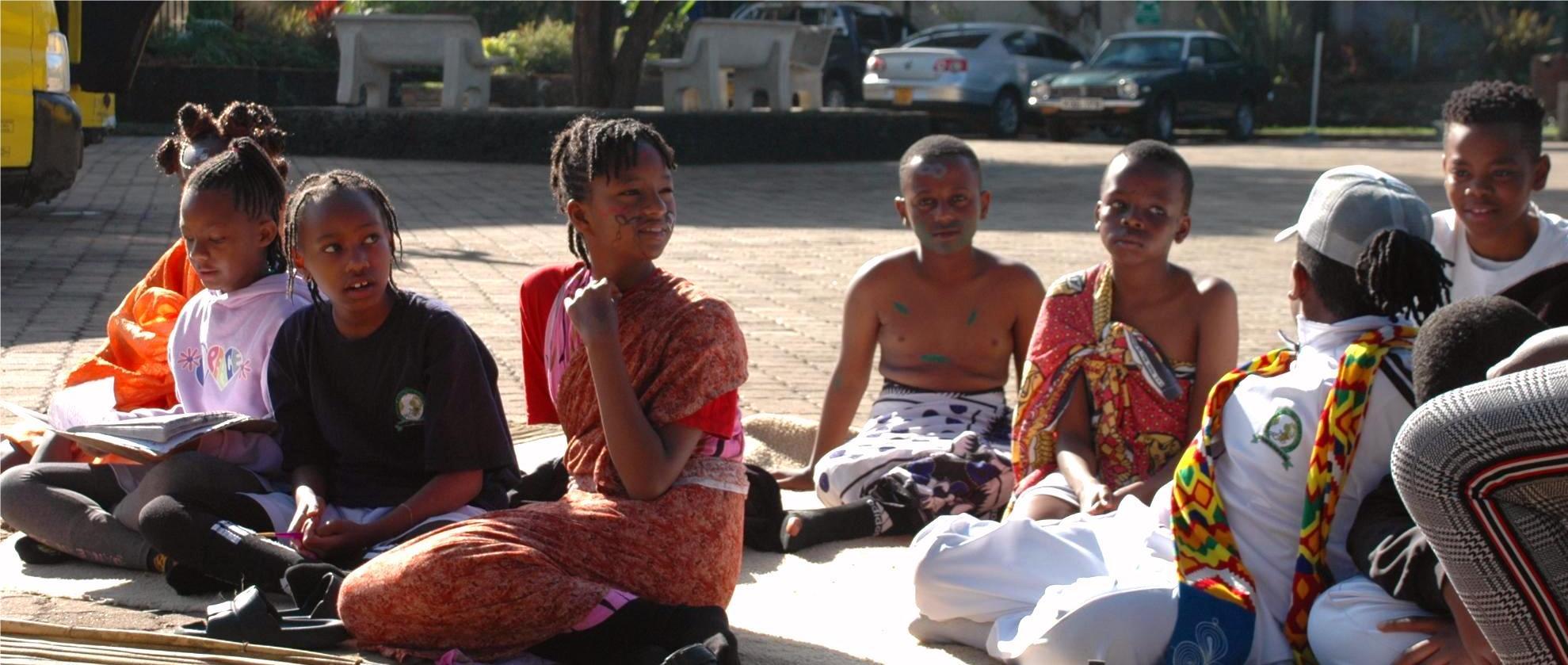
By incorporating Afrocentric values and global standards, this curriculum empowers students to become future leaders, equipped with critical thinking skills and a readiness for the global stage.
Fostering Critical Thinking and Leadership
Critical thinking is a core component of the Afrocentric curriculum. Students learn to analyze, question, and solve problems. This skill is vital for leadership and innovation. A simple method used is encouraging students to research and present on topics that interest them. This develops their ability to think critically and communicate effectively.
Leadership isn’t just about leading others—it’s about leading oneself. Students learn self-discipline and responsibility. They gain confidence in their abilities and understand the impact of their decisions. This self-awareness is crucial for personal and professional growth. As students develop these skills, they become leaders who inspire change and progress.
Preparing Students for the Global Stage
Afrocentric education prepares students for success on the global stage. They learn to navigate diverse environments and adapt to change. The curriculum emphasizes skills like collaboration and communication, essential for global engagement. Students participate in international projects and exchanges, gaining firsthand experience of different cultures.
Being prepared for the global stage means understanding global issues and how they relate to local contexts. Students learn to think globally and act locally. This mindset equips them to address challenges creatively and effectively. They become proactive problem-solvers who can contribute to global solutions. This readiness instills confidence, enabling students to pursue opportunities worldwide.
Afrocentric education offers a rich blend of cultural pride and global readiness. By nurturing curiosity, identity, and leadership, it prepares students to thrive in an interconnected world. The journey doesn’t end here—it’s just the beginning of a lifelong adventure in learning.