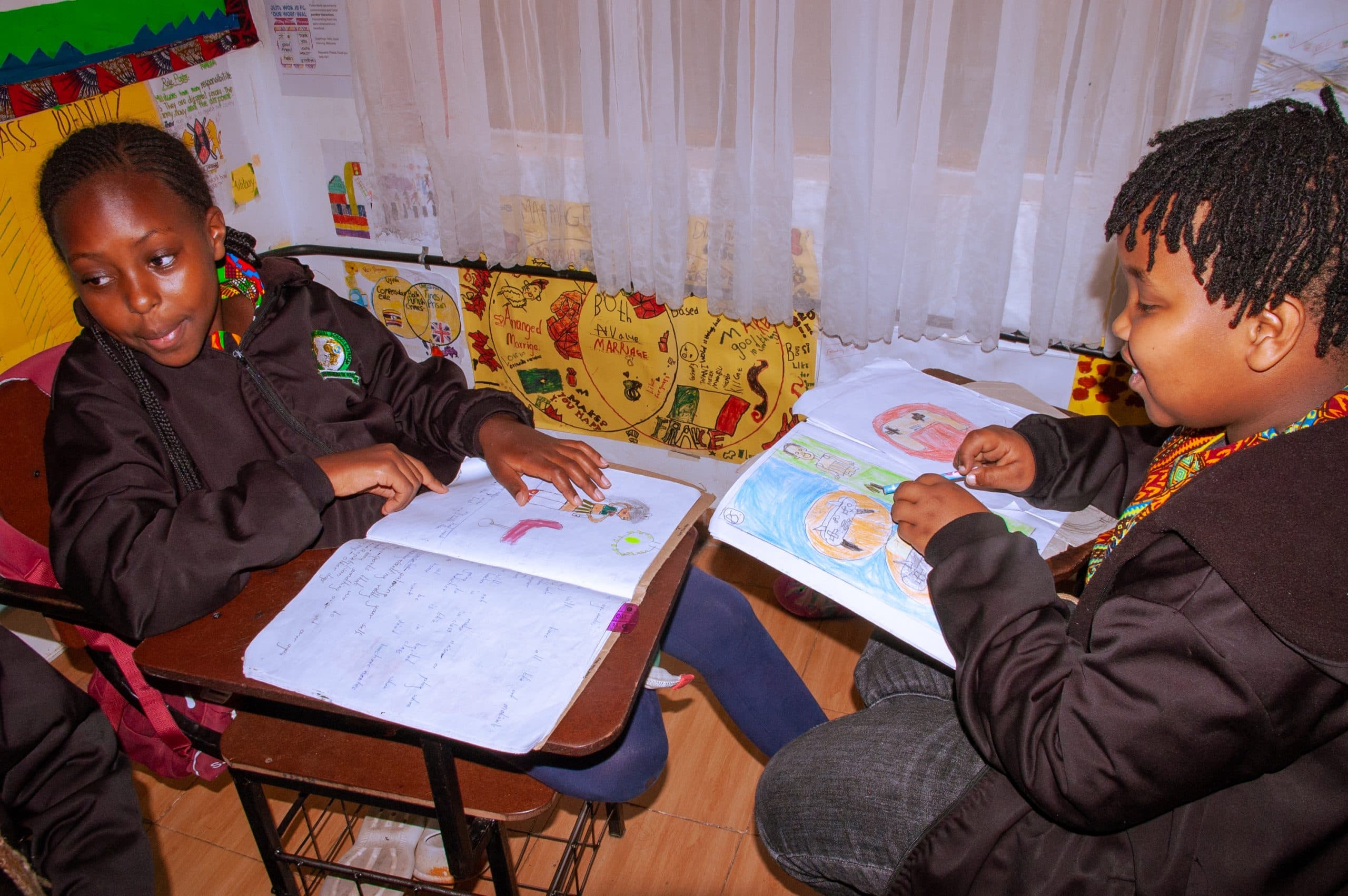
When Every Child Belongs, Every Child Leads: Why Culturally Inclusive Classrooms Empower Students
Culturally inclusive classrooms aren’t just nice to have—they are the foundation where every child finds their voice and steps into leadership. When learning honors your child’s identity, confidence grows, and achievement follows. At Freedom International Schools-Africa, we blend Afrocentric education with the IB framework to create a space where belonging sparks true student empowerment. Ready to see empowerment in action? Book a campus tour! Learn more about creating culturally inclusive classrooms here.
The Power of Culturally Inclusive Classrooms
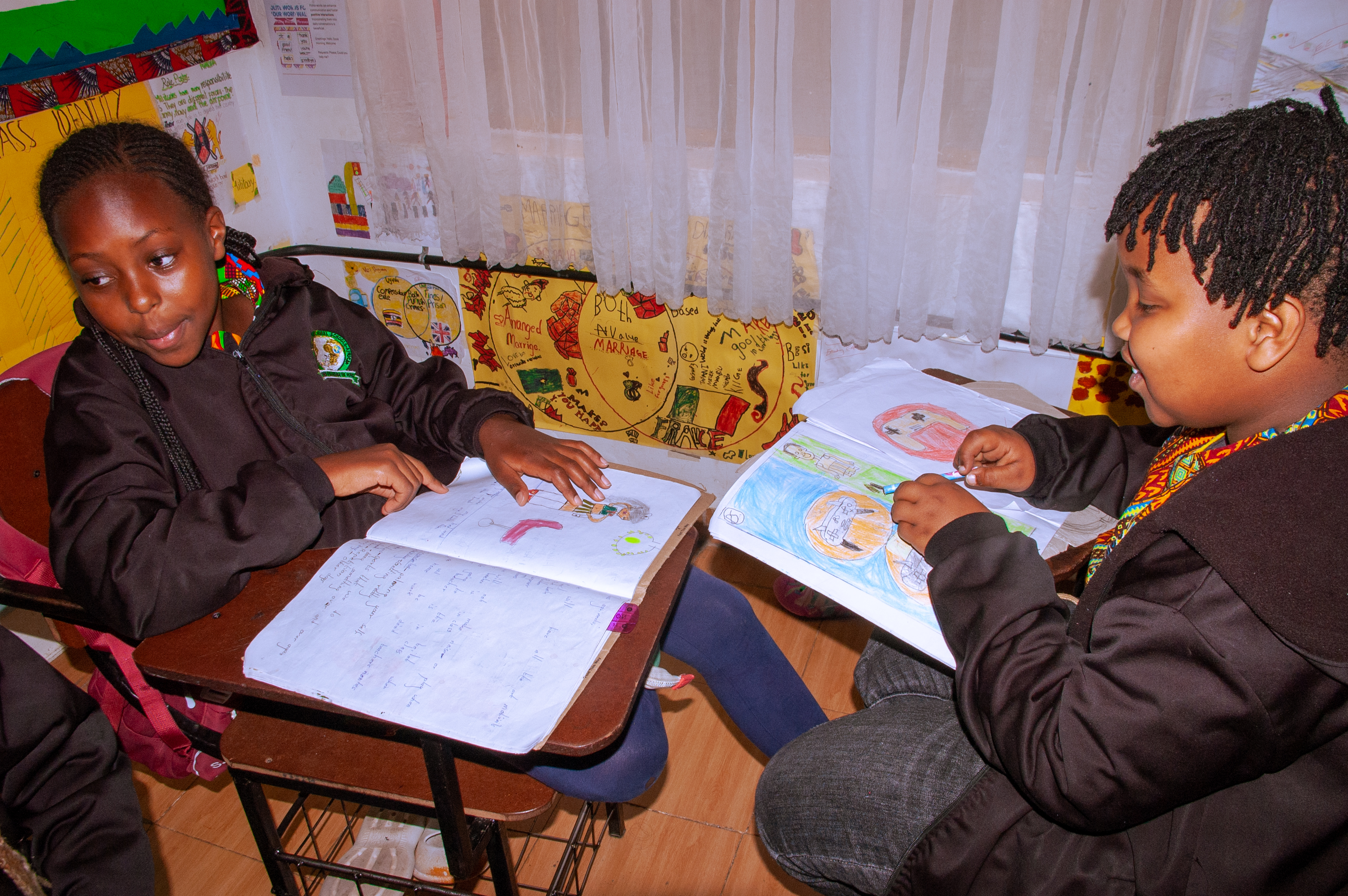
Imagine a classroom where every student feels seen and valued. This environment is not just a dream; it is a reality that fosters empowerment and growth. At Freedom International Schools-Africa, we champion this approach for student success.
Fostering Student Empowerment
When students see their culture and identity celebrated, they feel empowered. This empowerment starts with acknowledging each child’s unique background. By integrating cultural narratives into lessons, students gain confidence. They begin to understand that their story matters. This leads to increased participation and a willingness to take on leadership roles. A child who believes in themselves will naturally seek ways to contribute positively to their community.
Identity-Affirming Learning Benefits
Identity-affirming education boosts confidence and academic success. When students see their heritage reflected in their studies, they feel a sense of belonging. This connection encourages them to engage more deeply with their learning. For example, a student learning about African kings and queens alongside global leaders may develop pride and motivation. This pride helps students tackle challenges with resilience and creativity.
Ubuntu in Education
The concept of Ubuntu—”I am because we are”—is central to inclusive education. It teaches students the importance of community and interdependence. By embracing Ubuntu, classrooms become places where students learn the value of collaboration. This philosophy helps cultivate empathy and understanding among peers, creating a supportive learning environment.
Afrocentric Education: A Path to Leadership

Linking cultural inclusion with leadership development, Afrocentric education creates a powerful platform for student growth. This approach not only honors heritage but also prepares students to lead with confidence.
Leadership Development in Schools
Leadership skills are nurtured in an environment that values cultural identity. When students are taught to appreciate their background, they gain the courage to lead. Schools that emphasize leadership instill qualities like responsibility and self-awareness. For instance, organizing cultural events allows students to practice planning and teamwork. These experiences cultivate future leaders ready to impact society positively.
African Heritage in Education
Integrating African heritage into the curriculum enriches learning. Students explore history, arts, and achievements from the continent, fostering pride and respect. This exploration broadens perspectives, encouraging students to appreciate diverse cultures. An understanding of African heritage also equips students with a balanced worldview, essential in today’s interconnected world.
Sankofa Pedagogy Principles
Sankofa, meaning “go back and get it,” reminds us to learn from the past. By adopting Sankofa principles, education becomes a powerful tool for understanding history. This approach encourages students to connect past lessons with present challenges, fostering critical thinking. It empowers them to innovate and lead with wisdom rooted in tradition.
Building Community and Global Citizenship

Inclusive classrooms lay the groundwork for students to become global citizens. They learn to appreciate diversity and work collaboratively towards common goals.
Diversity, Equity, and Inclusion in Schools
Promoting diversity, equity, and inclusion ensures all students feel welcome. Schools that prioritize these values create environments where students thrive. Inclusive practices, such as celebrating various cultural holidays, enrich the school experience. These practices teach students to value differences and work towards equity in their communities.
Community Engagement in Schools
Schools that engage with their communities create strong support networks. Community involvement provides students with real-world experiences and mentorship opportunities. Projects that involve local leaders and parents foster a sense of belonging. This collaboration enhances students’ learning, preparing them to contribute meaningfully to society.
Critical Thinking in the IB Framework
The International Baccalaureate framework emphasizes critical thinking. Students are encouraged to question and explore, developing problem-solving skills. This approach prepares them for global challenges, promoting lifelong learning. By integrating critical thinking with cultural education, schools equip students to become thoughtful, informed citizens.
In conclusion, culturally inclusive classrooms are essential for nurturing empowered, confident leaders. When schools honor each student’s identity, they lay the foundation for academic achievement and personal growth. As we champion this approach, we invite you to see for yourself the transformative impact of Afrocentric education. 🌍✨📚
Explore ways to create an inclusive classroom by reading more here and here.