Forget what you think you know about education in Africa. At Freedom International Schools-Africa, Afrocentric education meets the International Baccalaureate in Africa to create confident learners rooted in culture and ready to lead. Your child will grow through inquiry-based learning and student leadership development, all while celebrating African heritage in education. Ready to see how this powerful combination shapes Africa’s future leaders? Keep reading! Learn more here.
Afrocentric Education Roots
African Heritage in Education
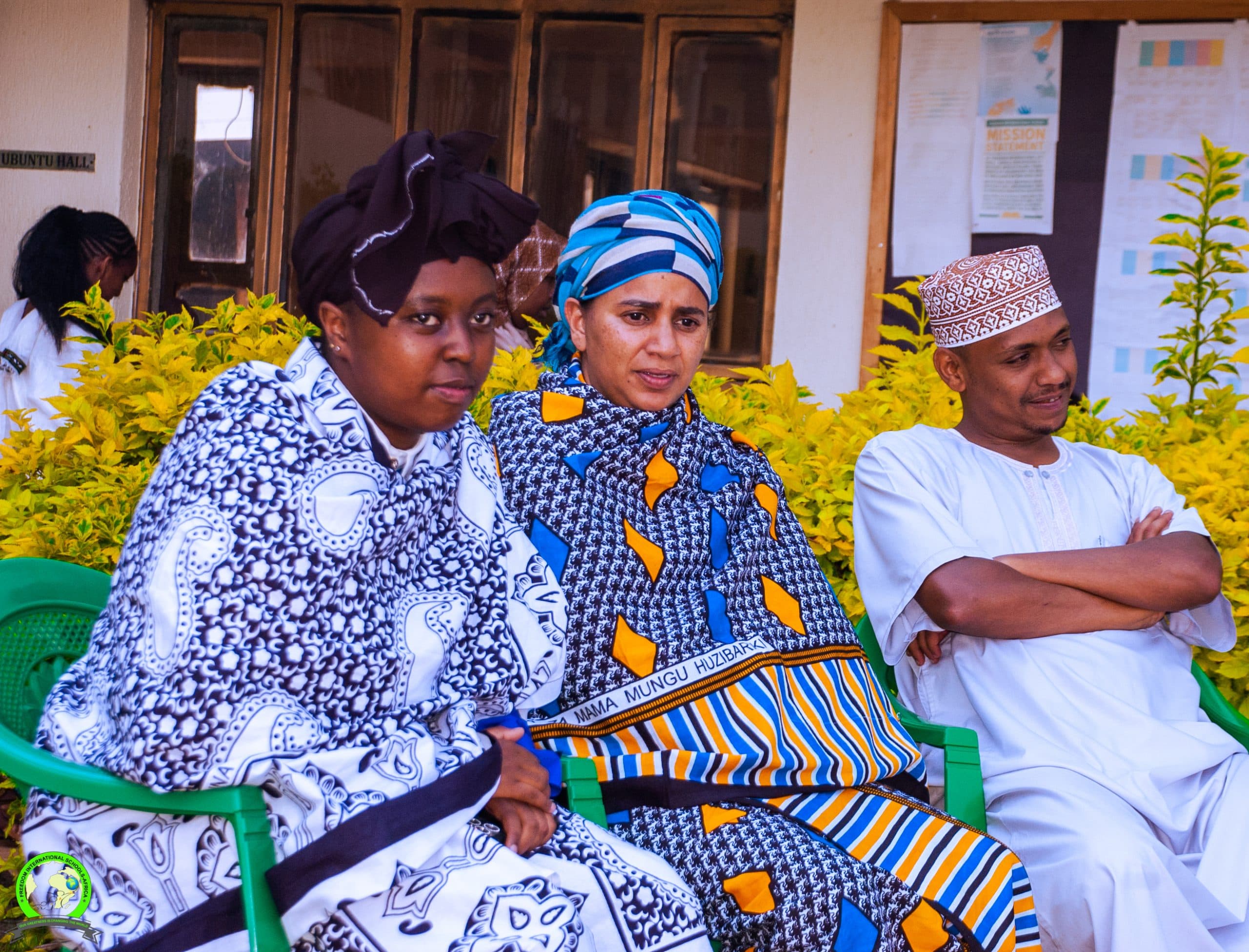
Your child can flourish in an environment that cherishes African heritage, using it as a foundation for learning. At Freedom International Schools-Africa, we embrace the rich history and diverse cultures of the African continent. This focus helps students understand their roots and fosters a sense of belonging.
By incorporating African history and traditions into the curriculum, students gain a deeper understanding of their identity. They learn how the past shapes the future, building confidence in their unique cultural identity. This approach nurtures pride and self-awareness, essential qualities for personal growth.
Teachers use stories, music, and art from various African cultures to make lessons engaging and relatable. This method not only enhances learning but also connects students to their cultural heritage in meaningful ways. By valuing these traditions, we empower students to become global citizens who are confidently rooted in their identity.
Culturally Responsive Teaching
Teachers who understand and respect diverse cultures can create classrooms where every student feels valued. Culturally responsive teaching at Freedom International Schools-Africa ensures that your child’s background is acknowledged and celebrated.
This approach involves understanding the diverse needs and experiences of students. Teachers use materials and examples that reflect the students’ cultures, making learning more engaging and relevant. By doing so, they create an inclusive environment where students feel understood and respected.
Through culturally responsive teaching, students learn to appreciate different perspectives. This skill is vital for developing empathy and critical thinking, as it encourages students to view the world through various lenses. Your child will thrive in a setting that values diversity and encourages open-mindedness.
Decolonizing the Curriculum
Decolonizing the curriculum means removing biases and stereotypes, ensuring that all students see themselves represented in their education. At Freedom International Schools-Africa, we are committed to providing a curriculum that respects and celebrates African cultures.
This effort involves reevaluating what is taught and how it is presented. By including diverse voices and perspectives, we create a more accurate and inclusive educational experience. Students learn about the contributions of African people throughout history and in contemporary society.
The goal is to empower students with a curriculum that reflects their reality and inspires them to dream big. By understanding their heritage, students are better equipped to challenge misconceptions and contribute positively to their communities and the world.
International Baccalaureate in Africa
Inquiry-based Learning Approach
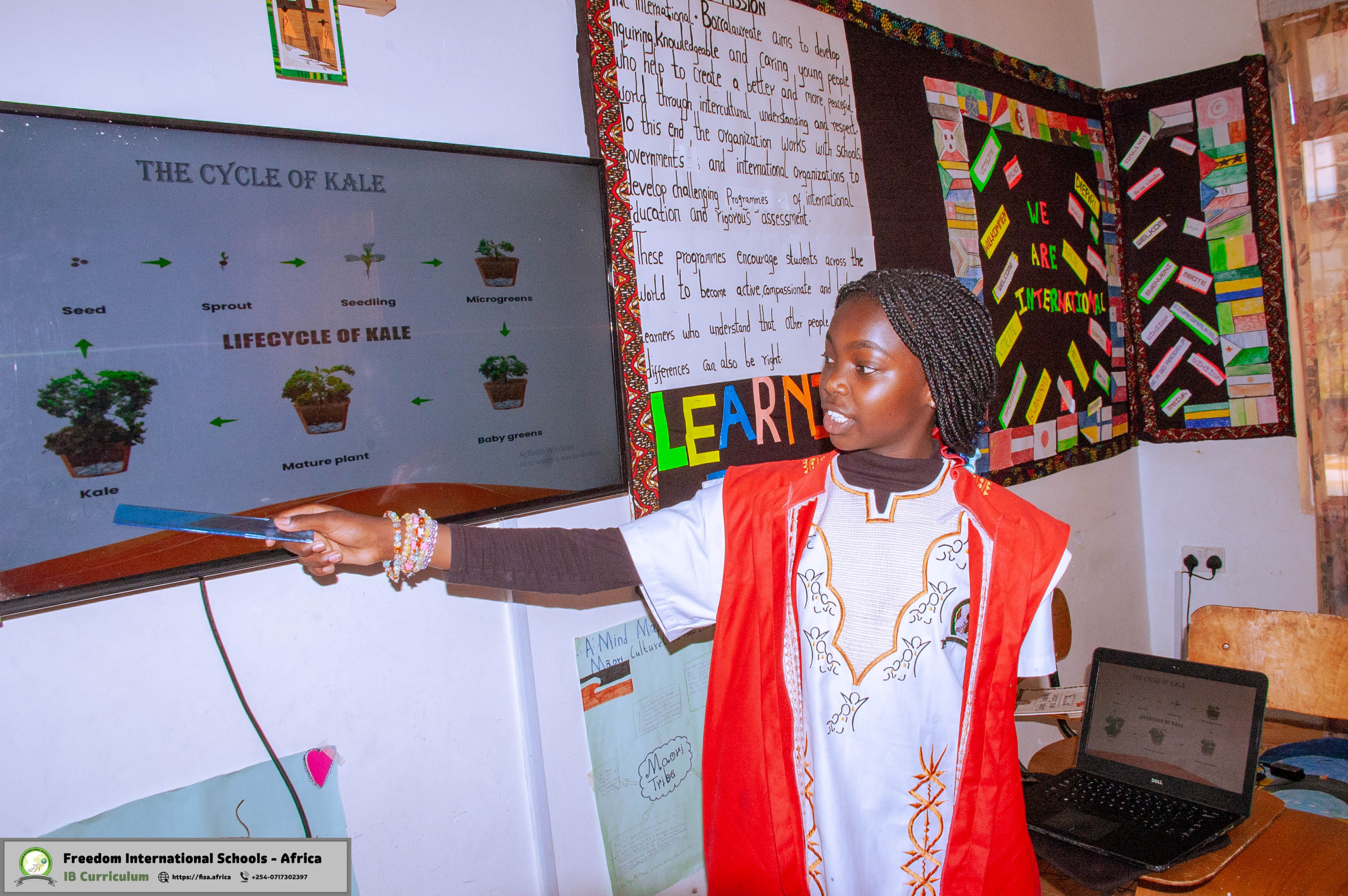
Inquiry-based learning encourages students to ask questions and seek answers, fostering a spirit of curiosity and exploration. At Freedom International Schools-Africa, this approach is integral to our teaching philosophy.
By prompting students to explore topics deeply, they develop critical thinking skills and gain a better understanding of the world around them. This method encourages active learning, where students take charge of their educational journey.
Students learn to research, analyze, and present their findings, skills that are crucial for success in the modern world. Inquiry-based learning nurtures a love for learning, as students discover how to connect new concepts with their existing knowledge.
IB Learner Profile Outcomes
The International Baccalaureate (IB) program at Freedom International Schools-Africa focuses on developing well-rounded students who are prepared to excel globally. The IB Learner Profile outlines the attributes we cultivate in our students.
Attributes like being knowledgeable, open-minded, and reflective are at the core of the IB philosophy. These qualities help students navigate complex global challenges with confidence and empathy. By fostering these traits, we prepare students to be leaders who can make informed decisions.
Students also learn to be principled and caring, understanding the importance of ethical behavior and social responsibility. The IB Learner Profile equips students with the tools they need to contribute positively to society.
Project-based Learning and Creativity
Project-based learning provides students with the opportunity to apply their knowledge in real-world scenarios. At Freedom International Schools-Africa, this approach is used to foster creativity and innovation.
Students work on projects that require them to solve problems, often collaborating with their peers. This hands-on method encourages students to think creatively and develop practical solutions. It also helps them understand the relevance of their education to everyday life.
By engaging in project-based learning, students learn to manage their time, work in teams, and communicate effectively. These skills are essential for personal and professional success, making project-based learning a powerful tool for shaping future leaders.
Leadership and Community Impact
Student Leadership Development
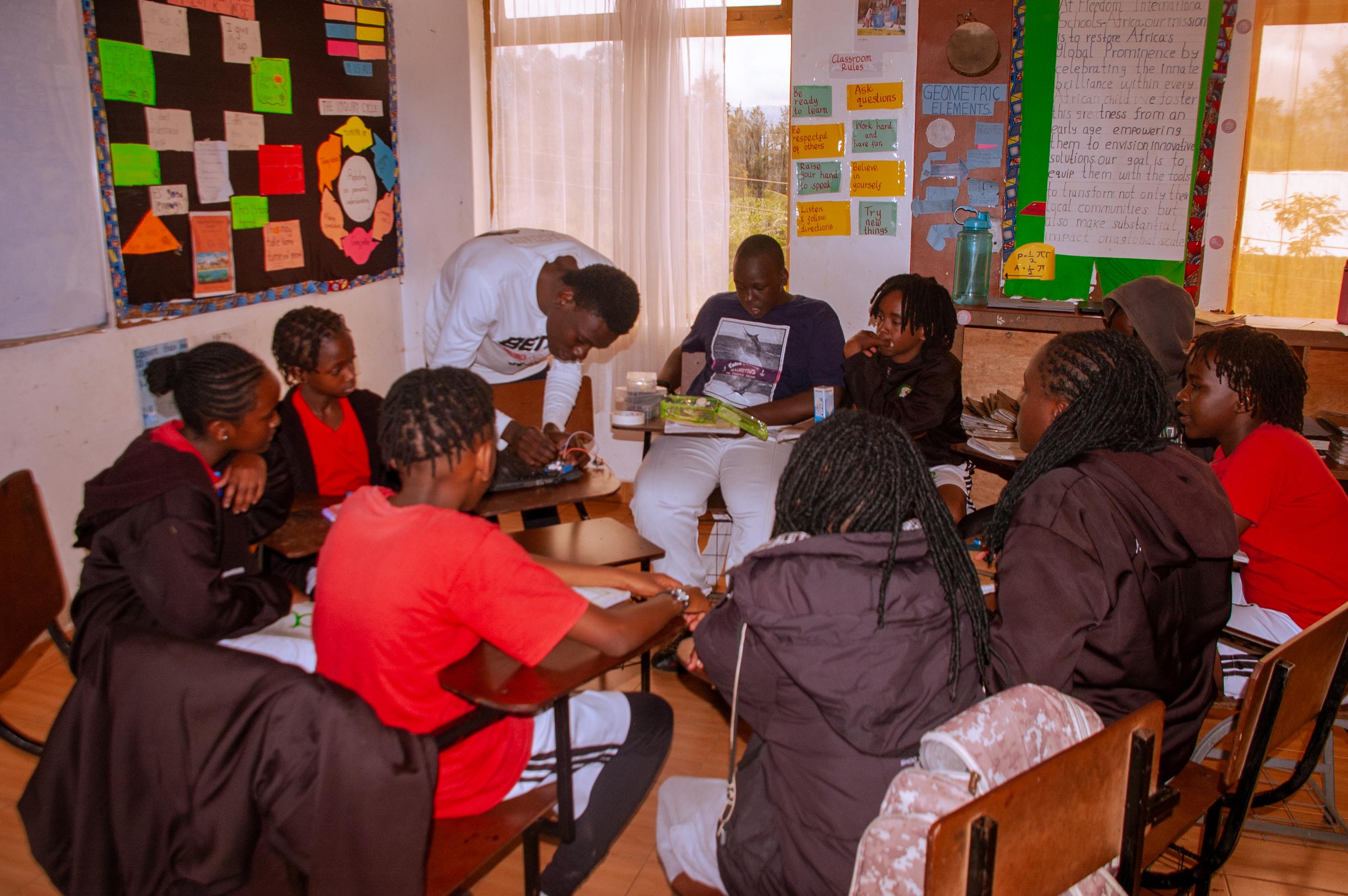
Developing leadership skills in students is a priority at Freedom International Schools-Africa. We believe that every student has the potential to lead and make a difference in their community.
Our programs focus on nurturing qualities like responsibility, integrity, and collaboration. Students are encouraged to take on leadership roles in school activities and projects, providing them with practical experience.
By engaging in leadership activities, students gain confidence and learn the importance of teamwork and service. These experiences equip them to become influential leaders who can inspire positive change in their communities.
Inclusive School Environment
At Freedom International Schools-Africa, every student is valued and respected. We strive to create an inclusive school environment where everyone feels welcome and supported.
An inclusive environment ensures that differences are celebrated and that all students have equal opportunities to succeed. This approach fosters a sense of belonging and community among students, which is crucial for their overall development.
Teachers and staff work together to ensure that the school remains a safe and nurturing space. By promoting inclusivity, we empower students to embrace diversity and build meaningful relationships with others.
Community Engagement in Schools ✨
Community engagement is a vital aspect of education at Freedom International Schools-Africa. We encourage students to connect with their communities and understand the role they can play in making a difference.
Students participate in community service projects, learning the value of giving back. These experiences help them develop empathy and a sense of social responsibility. Engaging with the community also provides students with real-world perspectives, enhancing their educational experience.
By actively involving students in their communities, we prepare them to be responsible citizens who are aware of their impact on the world. This engagement helps students develop a strong sense of identity and purpose.
Frequently Asked Questions
What is the Afrocentric approach to education?
An Afrocentric approach to education focuses on incorporating African history, culture, and perspectives into the curriculum. This helps students connect with their heritage and develop a strong sense of identity. It emphasizes pride in African roots while preparing students for global challenges.
How does the IB program work in Africa?
The International Baccalaureate (IB) program in Africa combines academic rigor with a focus on personal development. It encourages inquiry-based learning and critical thinking, preparing students to excel in a global context. The IB program is recognized worldwide, providing students with opportunities for higher education and career success.
Why is community engagement important in schools?
Community engagement in schools fosters a sense of social responsibility and empathy among students. It helps them understand their role in society and the impact they can have. Engaging with the community provides students with real-world experiences that enhance their learning and personal growth.
What are the benefits of project-based learning?
Project-based learning allows students to apply their knowledge in practical ways. It encourages creativity, teamwork, and problem-solving skills. By working on projects, students gain valuable experience in managing tasks and collaborating with others, preparing them for future challenges.
How is leadership developed in students at Freedom International Schools-Africa?
Leadership development at Freedom International Schools-Africa involves providing students with opportunities to take on responsibilities and lead initiatives. Through various programs and activities, students learn essential leadership qualities such as integrity, collaboration, and service. These experiences build confidence and prepare students to make positive contributions to their communities.