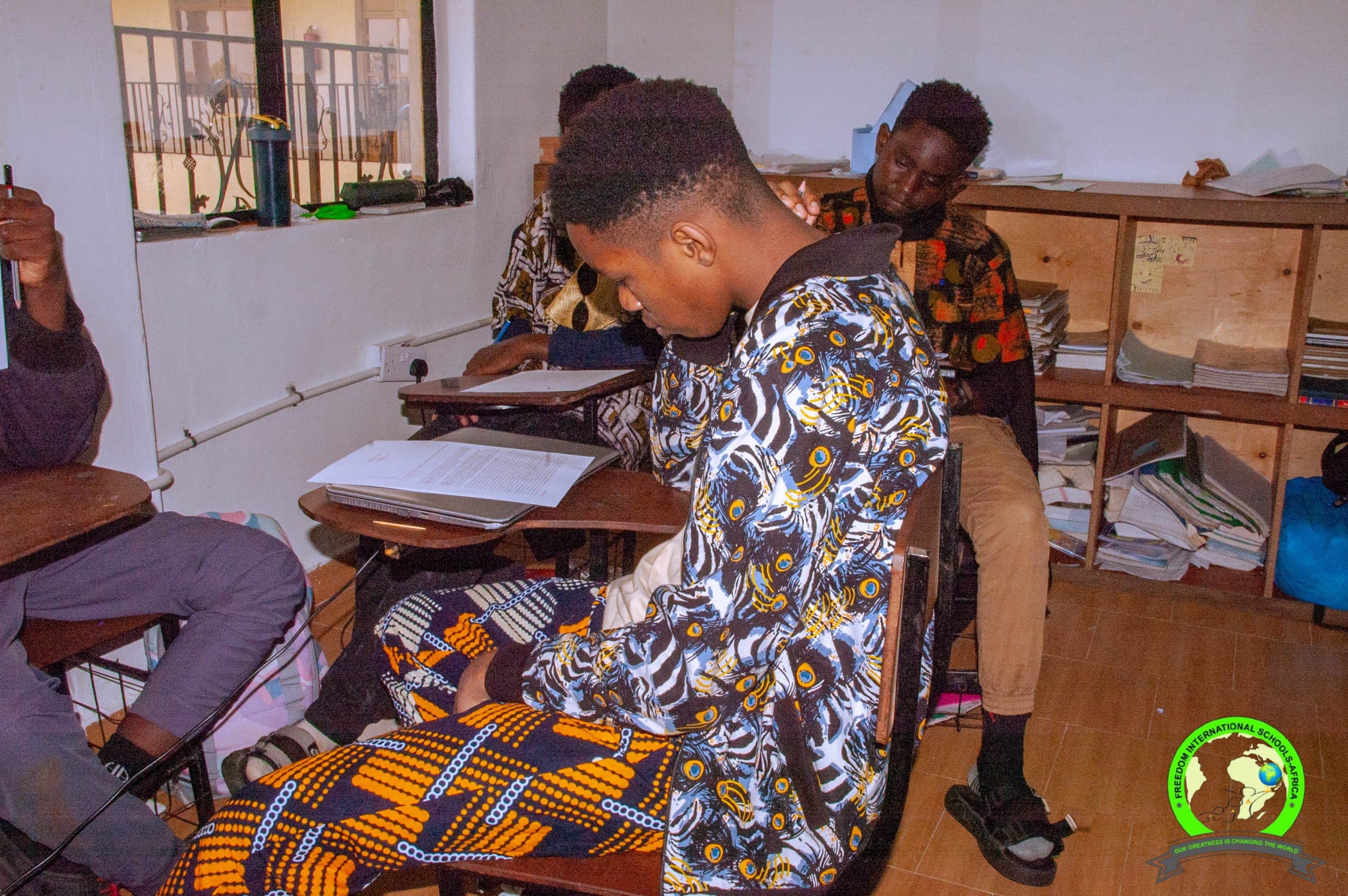
Forget the old idea that global education means leaving your child’s roots behind. At Freedom International Schools-Africa, we blend Afrocentric education with the International Baccalaureate Africa framework to create confident learners grounded in their heritage and ready to lead the world. Here, inquiry-based learning meets African heritage curriculum to nurture ethical leadership and critical thinking skills. Join us to see how your child can thrive in a school culture that celebrates identity and inspires global citizenship.
Blending Heritage with Global Standards
Afrocentric education meets global standards at Freedom International Schools-Africa, creating a potent mix of cultural pride and academic excellence.
Afrocentric Education in Practice
Educating with an Afrocentric perspective means placing African heritage at the heart of learning. Here, students engage with a curriculum that reflects their cultural identity. They learn about African history, literature, and traditions. This approach fosters a sense of pride and belonging. Students see themselves in their studies, which enhances engagement and motivation. The school environment becomes a nurturing space where identity is celebrated. This helps students develop a strong sense of self-worth, which is crucial for personal and academic growth. As they progress, they become more confident in their abilities and ready to face the world.
Incorporating the IB Framework
The International Baccalaureate framework is integrated seamlessly, offering students a globally recognized education. This framework emphasizes critical thinking, research, and inquiry. Students are encouraged to explore subjects deeply, developing skills that are essential in the modern world. The IB framework also promotes global citizenship. Students learn to appreciate diverse perspectives and understand global issues. This prepares them to engage in meaningful discussions and contribute positively to the world. By blending Afrocentric values with IB standards, students receive a comprehensive education that honors their heritage while equipping them for future challenges.
Celebrating Cultural Identity
Celebrating cultural identity is a core principle at Freedom International Schools-Africa. Students participate in activities that honor African traditions and values. Events such as cultural days and heritage celebrations are common. These activities help students appreciate their roots and understand the rich diversity of African cultures. Teachers also incorporate cultural elements into everyday lessons. This reinforces the importance of identity in education. By embracing their cultural heritage, students gain a sense of pride and empowerment. They become confident leaders who are ready to make an impact in the global community.
Inquiry-Based Learning: A Path to Confidence
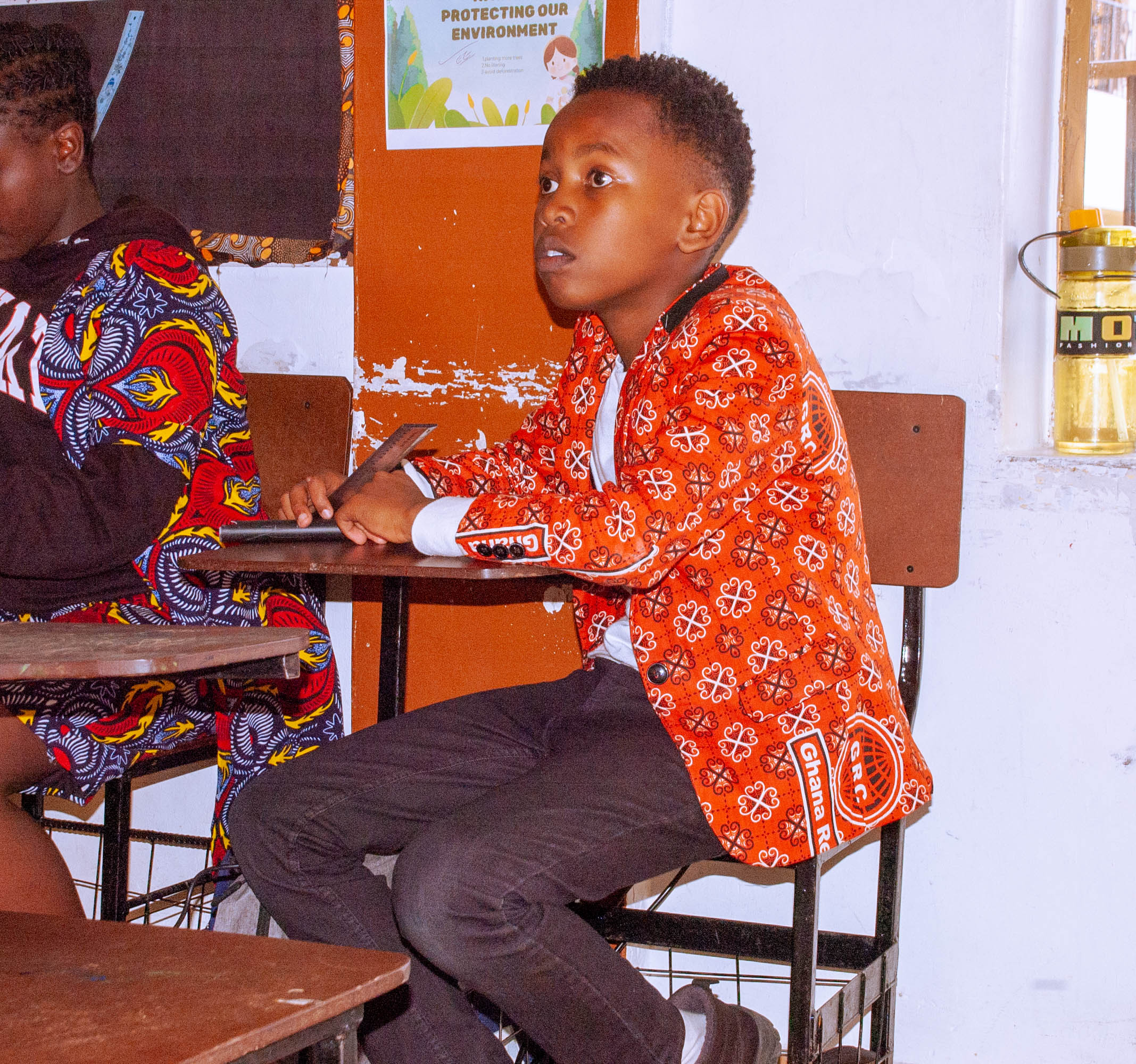
Inquiry-based learning is central to developing confident leaders. It encourages curiosity and empowers students to take charge of their education.
Empowering Student Leadership Development
Leadership skills are actively cultivated through inquiry-based learning. Students are given opportunities to lead projects and initiatives. This hands-on approach allows them to apply their knowledge in real-world situations. They learn to communicate effectively, make decisions, and collaborate with others. These experiences build confidence and prepare them for future leadership roles. By leading their learning, students develop a sense of ownership and responsibility. They become proactive learners who are not afraid to take risks and explore new ideas. This empowers them to make informed choices and lead with confidence.
Cultivating Critical Thinking Skills
Critical thinking is a key component of inquiry-based learning. Students are encouraged to ask questions and seek answers. This develops their ability to analyze information and evaluate evidence. They learn to think critically and make reasoned judgments. This skill is essential for success in both academic and real-world environments. Inquiry-based learning also promotes problem-solving skills. Students are challenged to find solutions to complex problems, fostering creativity and innovation. By developing these skills, students become effective thinkers who can navigate challenges and contribute to society.
Nurturing Confident Learners
Confidence grows when students feel supported and challenged. At Freedom International Schools-Africa, students are encouraged to explore their interests and pursue their passions. Teachers provide guidance and support, creating a safe environment for learning. Students are encouraged to take risks and learn from their mistakes. This builds resilience and perseverance. They learn that failure is a part of learning and growth. By embracing challenges, students develop a growth mindset. They become confident, lifelong learners who are ready to take on new opportunities and make a difference in the world.
Building a Welcoming Community
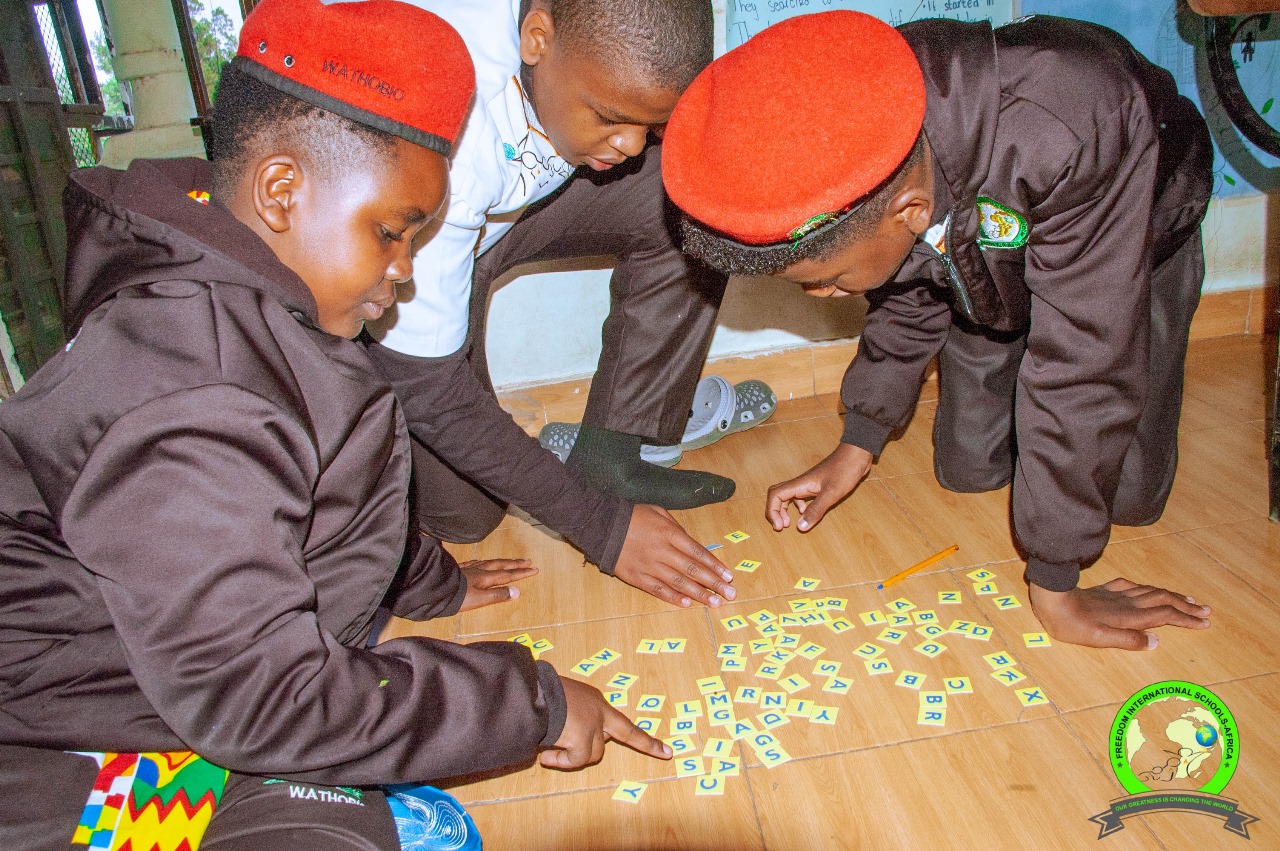
A welcoming community is essential for fostering a sense of belonging. Freedom International Schools-Africa prioritizes inclusivity and collaboration among students, teachers, and families.
Fostering Inclusive School Culture
Inclusivity is at the heart of the school’s culture. Every student is valued and respected, creating a sense of belonging. Teachers encourage collaboration and teamwork, promoting a supportive environment. Students from diverse backgrounds learn and grow together, building mutual respect and understanding. This inclusive culture extends beyond the classroom. School events and activities welcome families and the community. This creates a strong support network for students, helping them thrive academically and socially. By fostering an inclusive culture, students feel connected and empowered to succeed.
Engaging Community-Based Learning
Community-based learning is an integral part of the educational experience. Students are encouraged to engage with their communities and apply their learning to real-world situations. This includes community service projects and partnerships with local organizations. These experiences help students understand the impact they can have on their communities. They learn the value of collaboration and the importance of giving back. By participating in community-based learning, students develop empathy and compassion. They become responsible citizens who are committed to making a positive difference in the world.
Supporting Ethical Leadership
Ethical leadership is a key focus at Freedom International Schools-Africa. Students are taught the importance of integrity and ethical decision-making. They learn to lead with honesty and respect for others. This foundation is built through classroom discussions and real-world experiences. Students are encouraged to consider the ethical implications of their actions and decisions. This helps them develop a strong moral compass and build trust with others. By fostering ethical leadership, students become role models who inspire and motivate others to make positive changes.
Frequently Asked Questions
What is Afrocentric education?
Afrocentric education focuses on African heritage and cultural identity. It integrates African perspectives into the curriculum, helping students connect with their roots and develop a sense of pride.
How does the IB framework benefit students?
The IB framework promotes critical thinking, research, and global citizenship. It prepares students for success in a globalized world by teaching them to appreciate diverse perspectives and engage in meaningful discussions.
What role does inquiry-based learning play in education?
Inquiry-based learning encourages students to ask questions and explore subjects deeply. It fosters curiosity, critical thinking, and problem-solving skills, empowering students to take charge of their education.
How is cultural identity celebrated at the school?
Cultural identity is celebrated through activities like cultural days and heritage events. These activities help students appreciate their roots and understand the rich diversity of African cultures.
Why is inclusivity important in education?
Inclusivity creates a supportive environment where all students feel valued and respected. It promotes collaboration and understanding, helping students from diverse backgrounds learn and grow together.