What Makes a School Truly Afrocentric? Culture, Confidence, and Excellence in Action
Most schools claim to honor African heritage, but few truly live it in every classroom and corridor. You want your child to grow confident, grounded in culture, and ready to lead beyond borders. At Freedom International Schools-Africa, Afrocentric education means weaving African-centered learning, leadership development, and global citizenship education into a powerful, welcoming community. Let’s explore what makes this approach different—and why it matters for your child’s future. For more insights, check out Rooted and Rising: How Afrocentric Education Powers Confidence, Leadership, and Global Citizenship.
Core Pillars of Afrocentric Education
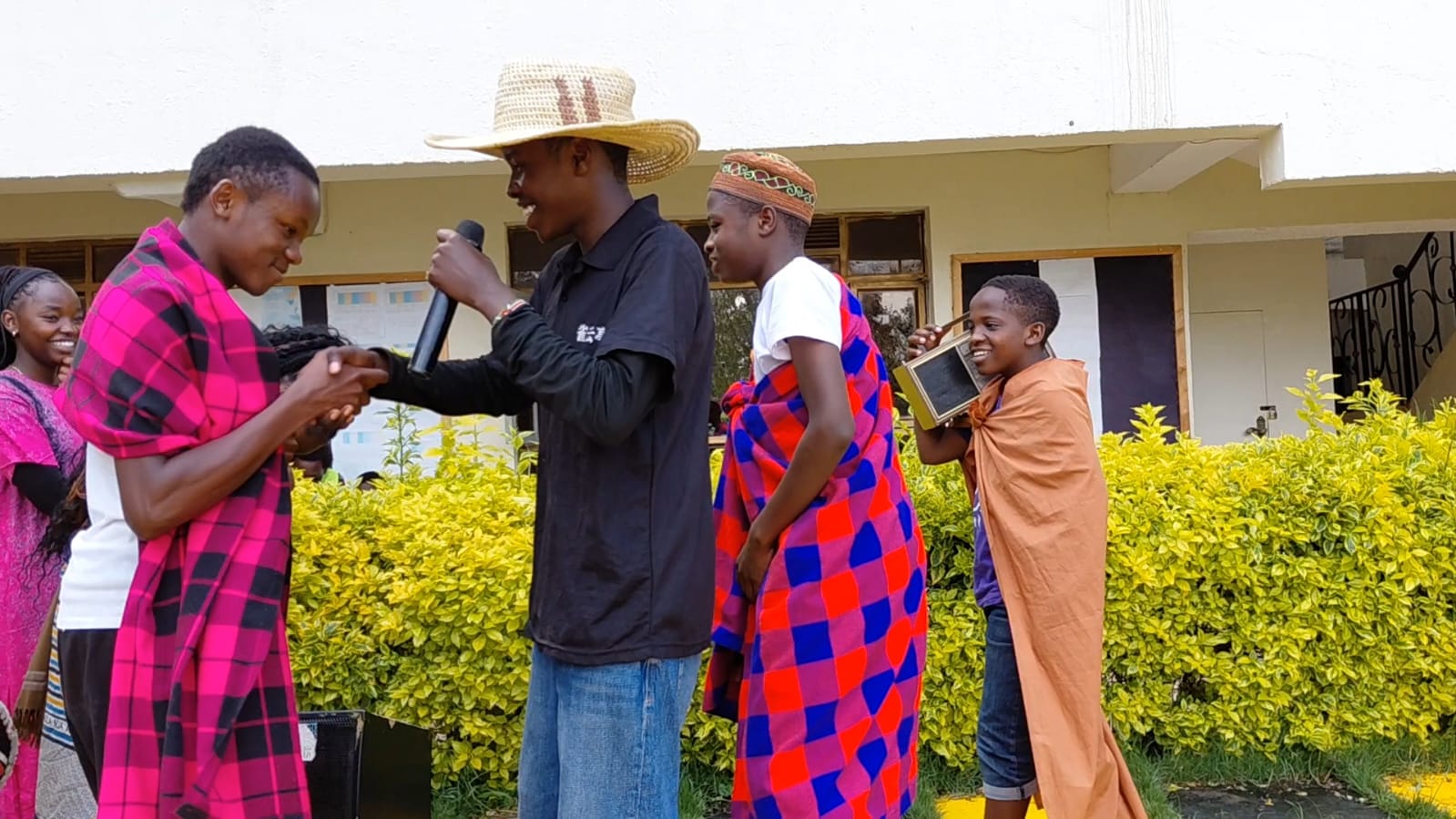
A strong foundation sets the stage for a vibrant educational journey. At Freedom International Schools-Africa, the focus is on an educational experience that celebrates African culture while fostering a global perspective.
African Heritage Curriculum
Imagine a classroom where your child learns not just about the world, but through the lens of African history and culture. This is where the African heritage curriculum comes into play. Students explore Africa’s rich history, art, and achievements, grounding them in their cultural identity.
In these classrooms, students dive into African literature, music, and art. They study influential African leaders and movements, learning lessons that span beyond textbooks. This approach encourages a genuine appreciation for their roots and a deep understanding of their cultural heritage. The result is a student who feels proud of their identity, equipped with knowledge that celebrates the past and inspires the future.
Culturally Responsive Teaching
Teachers play a pivotal role in shaping minds, and their approach can make all the difference. Culturally responsive teaching recognizes the importance of including students’ cultural references in all aspects of learning. Here, educators adapt their methods to reflect and respect the backgrounds of their students.
At Freedom International Schools-Africa, teachers connect with students by integrating cultural elements into math, science, and language lessons. This approach not only enriches the learning experience but also builds a classroom environment where every student feels seen and valued. Through this method, students are motivated to engage more deeply and perform better academically.
Inclusive School in Africa
Inclusion is more than a policy, it’s a practice. An inclusive school in Africa like ours ensures that every student, regardless of background, feels like they belong. This is achieved through a community-based approach that values diversity and fosters mutual respect.
By promoting inclusivity, we create a home-like environment where all students thrive. This sense of belonging encourages cooperation, understanding, and empathy among students. It also prepares them for a world that is increasingly interconnected and diverse.
Building Confidence and Leadership
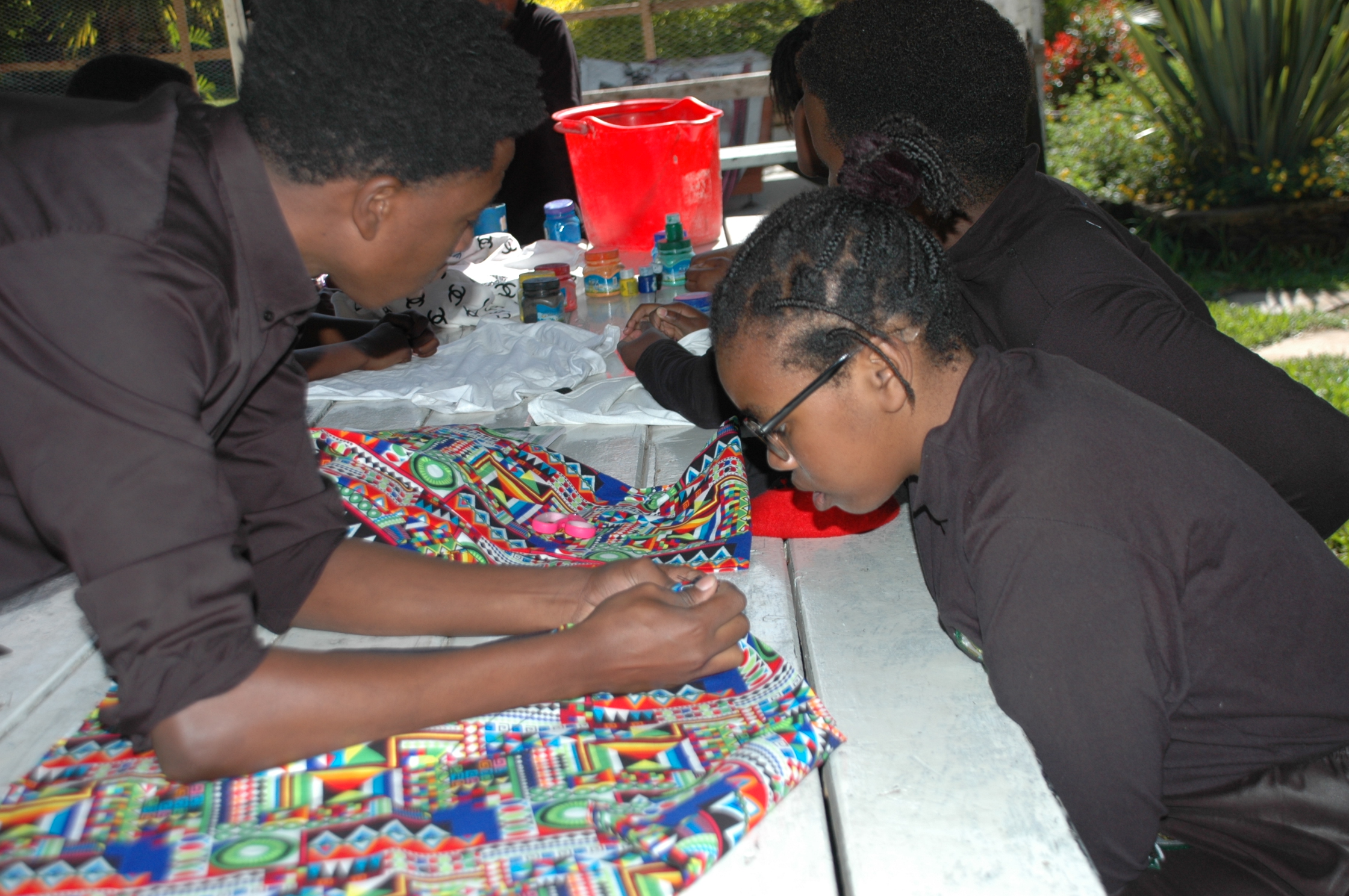
With a solid foundation in cultural education, the next step is empowering students to lead with confidence. Here, leadership and identity are nurtured to inspire future changemakers.
Leadership Development for Students
Every child has the potential to lead. Our focus on leadership development for students is about unlocking that potential. Through programs and activities, students learn critical skills such as decision-making, communication, and teamwork.
Students participate in community projects and school governance, gaining firsthand experience in leadership roles. These opportunities help build self-esteem and the ability to inspire others. By fostering these qualities, we prepare students to be proactive leaders in their communities and beyond.
Celebrating African Identity
Pride in one’s identity fuels confidence. At our school, celebrating African identity is a daily affair. From cultural festivals to storytelling sessions, students immerse themselves in activities that highlight their heritage.
This celebration fosters a sense of pride and self-worth. When students know where they come from, they stand taller and speak louder. They learn to cherish their uniqueness while appreciating the diversity of others. This approach ensures that they walk into the world confident in who they are.
Building Student Confidence
Confidence is key to success. Our approach to building student confidence involves both academic and personal growth. Through supportive learning environments and encouragement, students learn to trust their abilities.
Positive reinforcement, coupled with challenging yet achievable goals, helps students push their boundaries. They learn to overcome obstacles, setting a foundation for lifelong resilience. As they achieve small victories, their confidence grows, preparing them for future challenges.
Excellence in Global Citizenship
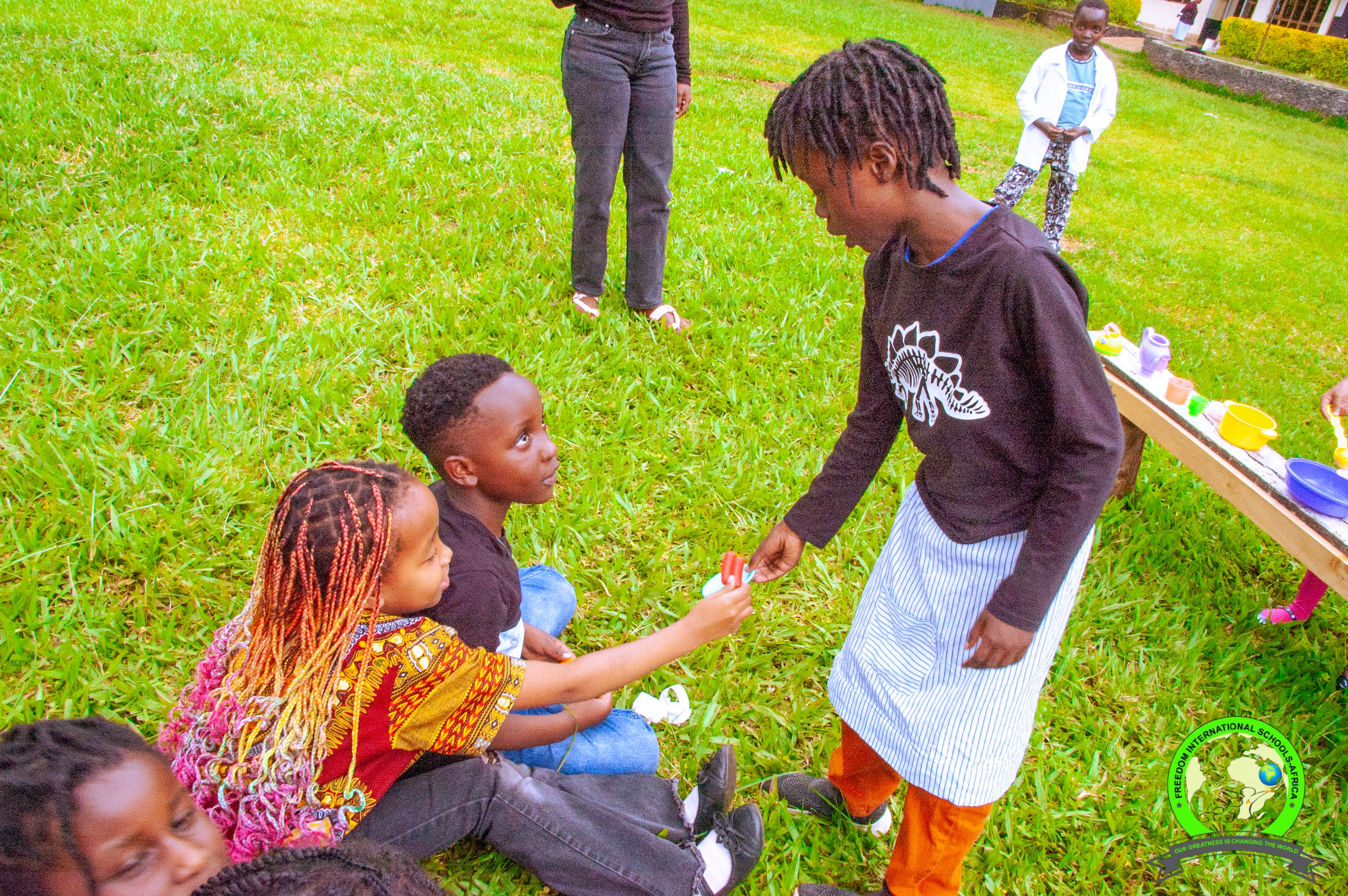
The final pillar is about reaching out beyond the local and preparing students for global challenges. We aim to cultivate a sense of responsibility and critical thinking that extends to the world stage.
Global Citizenship Education
In today’s world, understanding global issues is crucial. Global citizenship education teaches students about international affairs, environmental concerns, and social justice. They learn to think globally and act locally.
Through discussions, projects, and exchanges, students gain insights into cultures and challenges worldwide. This education fosters empathy and a sense of responsibility towards the planet and its people. It’s about shaping thoughtful, informed citizens ready to contribute positively to society.
Critical Thinking in Schools
To navigate the complexities of the modern world, students need to think critically. Our focus on critical thinking in schools equips students with skills to analyze, question, and solve problems.
Classrooms are spaces for debate and inquiry, where students learn to evaluate information and form reasoned conclusions. This ability to think critically prepares them for academic challenges and life decisions, empowering them to make informed choices.
21st-Century Skills Africa 🌍✨
The future belongs to those who are prepared. At our school, students gain 21st-century skills that include digital literacy, collaboration, and adaptability. These skills are essential in a rapidly changing world.
Students engage with technology, work in teams, and tackle real-world problems, preparing them for the workforce of tomorrow. By nurturing these skills, we ensure that our students are not just participants but leaders in the global arena.
At Freedom International Schools-Africa, education is more than just academics. It’s about building a confident, culturally aware, and globally minded generation. Join us in this journey to shape the leaders of tomorrow!