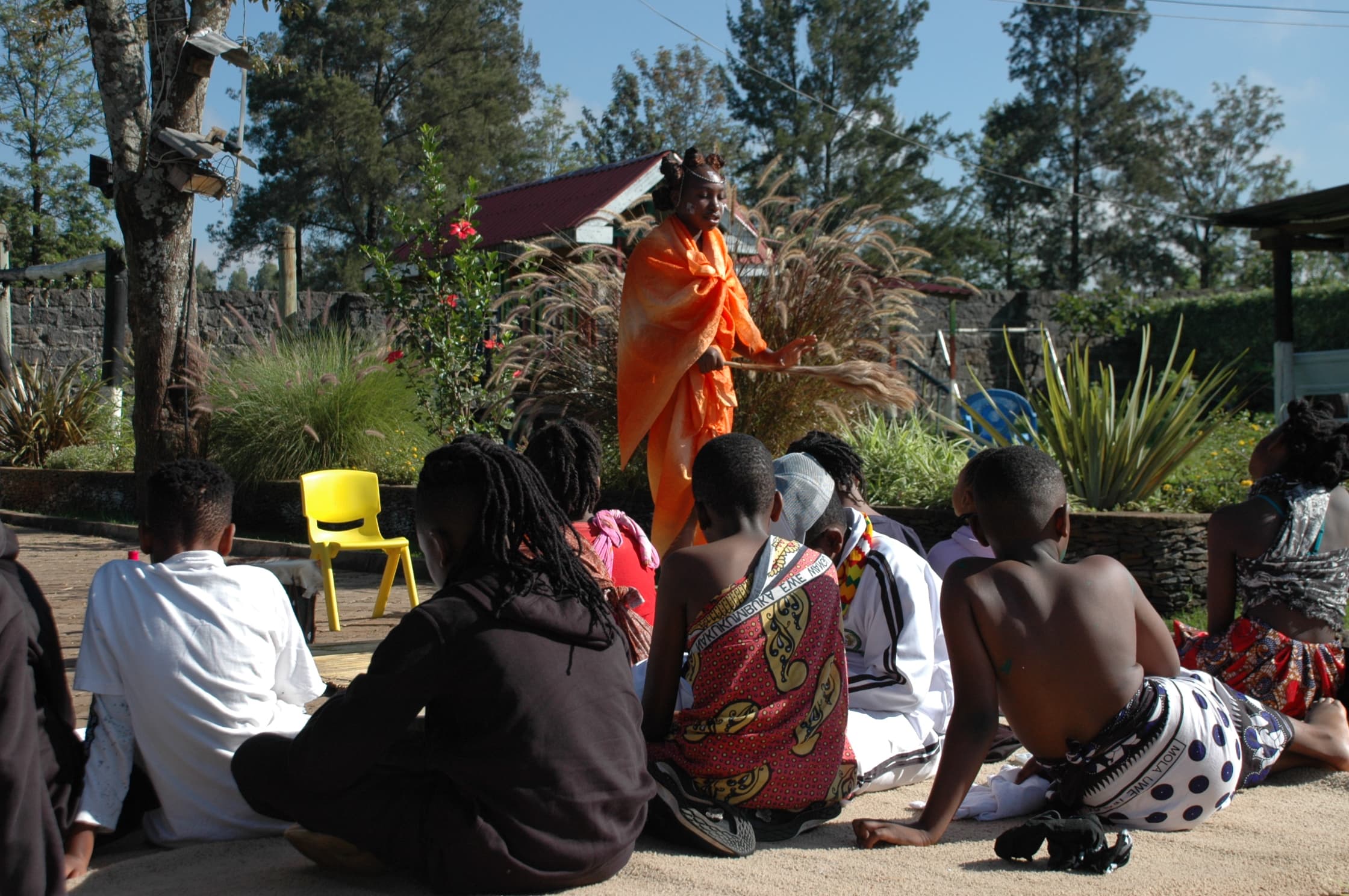
Ubuntu in Action: How Community Power Elevates Learning in Afrocentric Schools
Community involvement in schools is not just a nice idea—it’s the heartbeat of true Afrocentric education. When parents, elders, alumni, and local partners come together, student achievement in Africa rises beyond test scores. At Freedom International Schools-Africa, this spirit of Ubuntu in education creates an inclusive school community where cultural identity and leadership thrive. Keep reading to see how joining this village can shape your child’s future! Learn more about the impact of community engagement in Afrocentric education.
Power of Ubuntu in Learning
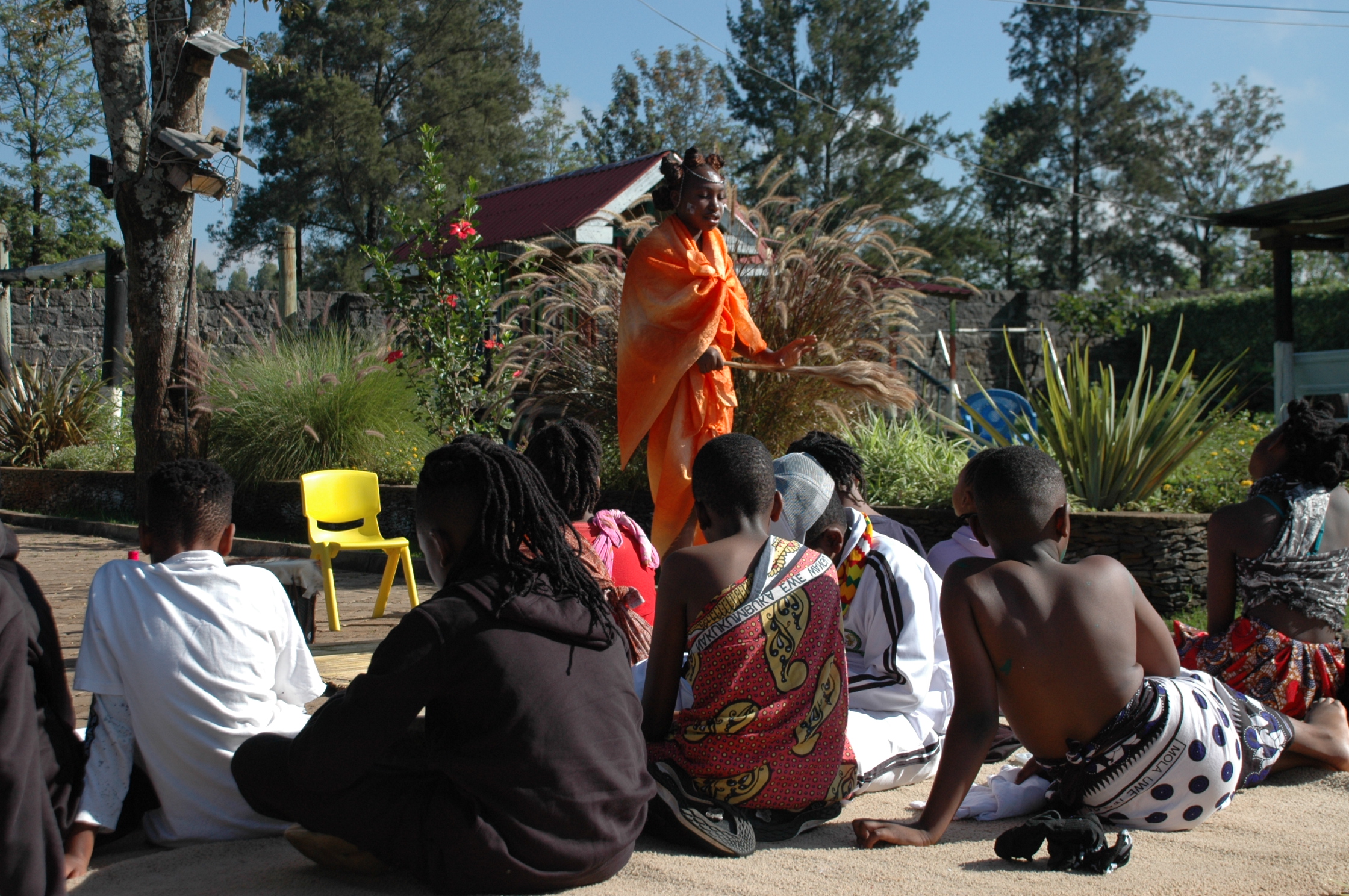
How does Ubuntu transform education? By embedding community values and support into every aspect of learning, resulting in unparalleled success.
Community Involvement Boosts Success
When a community rallies around its schools, something magical happens. Students begin to excel, not just academically, but socially and emotionally. They feel supported, understood, and valued.
-
Increased Support: With parents, alumni, and local leaders pitching in, students gain access to resources and networks they otherwise wouldn’t have.
-
Diverse Perspectives: Community involvement brings various viewpoints, enriching the learning environment.
Consider how schools with active community participation often see higher graduation rates. This is a testament to the power of collective effort.
Parent Engagement in Afrocentric Schools
Parents play a pivotal role in education, especially in Afrocentric schools. Their involvement is crucial for fostering a nurturing environment.
-
Collaborative Learning: When parents engage, children see education as a shared journey. It reinforces the idea that learning doesn’t stop at the school gates.
-
Cultural Continuity: Parents help integrate cultural heritage into daily lessons, making learning more relatable.
Most people think school ends in the classroom, but your involvement shows children that learning is a lifelong adventure.
Student Achievement Across Africa
Schools that embrace Ubuntu set the stage for student success across the continent. The results are clear: students don’t just meet expectations—they exceed them.
-
Holistic Development: Students learn to value collaboration over competition, which prepares them for real-world scenarios.
-
Academic Growth: The support from a whole community often results in improved test scores and better academic performance.
Here’s the key insight: Community involvement in schools can elevate student achievement across Africa. The longer you wait to engage, the more opportunities pass by.
Cultural Identity and Empowerment
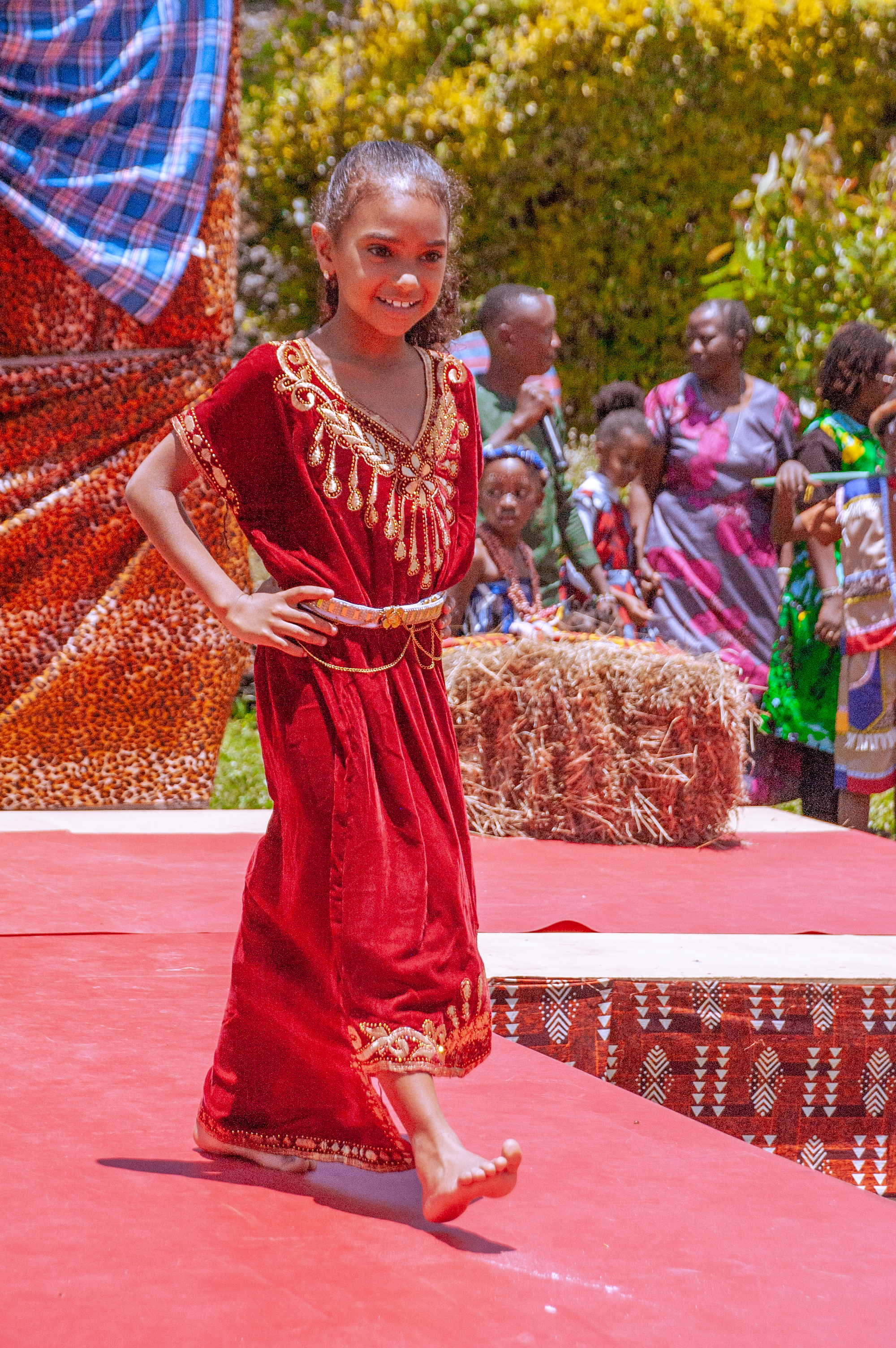
Rooted in strong cultural identity, Afrocentric education empowers students to take pride in their heritage while preparing for a global future.
Afrocentric Education and Heritage
Afrocentric education is more than a curriculum—it’s a celebration of identity. It fosters pride and confidence in students, helping them understand their place in the world.
-
Cultural Richness: Schools highlight African accomplishments, both past and present, creating a balanced view of history.
-
Identity Affirmation: Students learn the importance of their cultural roots and how they contribute to global progress.
In Afrocentric education, cultural identity isn’t just taught, it’s lived. This method encourages students to embrace their heritage fully.
Sankofa Learning Model Explained
The Sankofa model teaches that looking back at the past can guide one’s future. It’s a cornerstone of Afrocentric education, promoting learning from history.
-
Reflective Learning: Students are encouraged to explore historical lessons and apply them to modern challenges.
-
Future-Oriented: This model prepares students for leadership roles by teaching them to draw lessons from the past.
Most people think education is about memorization, but the Sankofa model shows it’s about understanding and applying knowledge in meaningful ways.
Culturally Responsive Teaching Benefits
Culturally responsive teaching recognizes the diverse cultural backgrounds of students, tailoring education to meet their unique needs.
-
Student-Centered Approach: This method respects and incorporates students’ cultural experiences into learning.
-
Increased Engagement: When students see their culture reflected in their education, participation and interest soar.
Here’s the key takeaway: Culturally responsive teaching turns classrooms into places where every student feels seen and valued, boosting overall engagement and success.
Freedom International Schools-Africa Initiatives
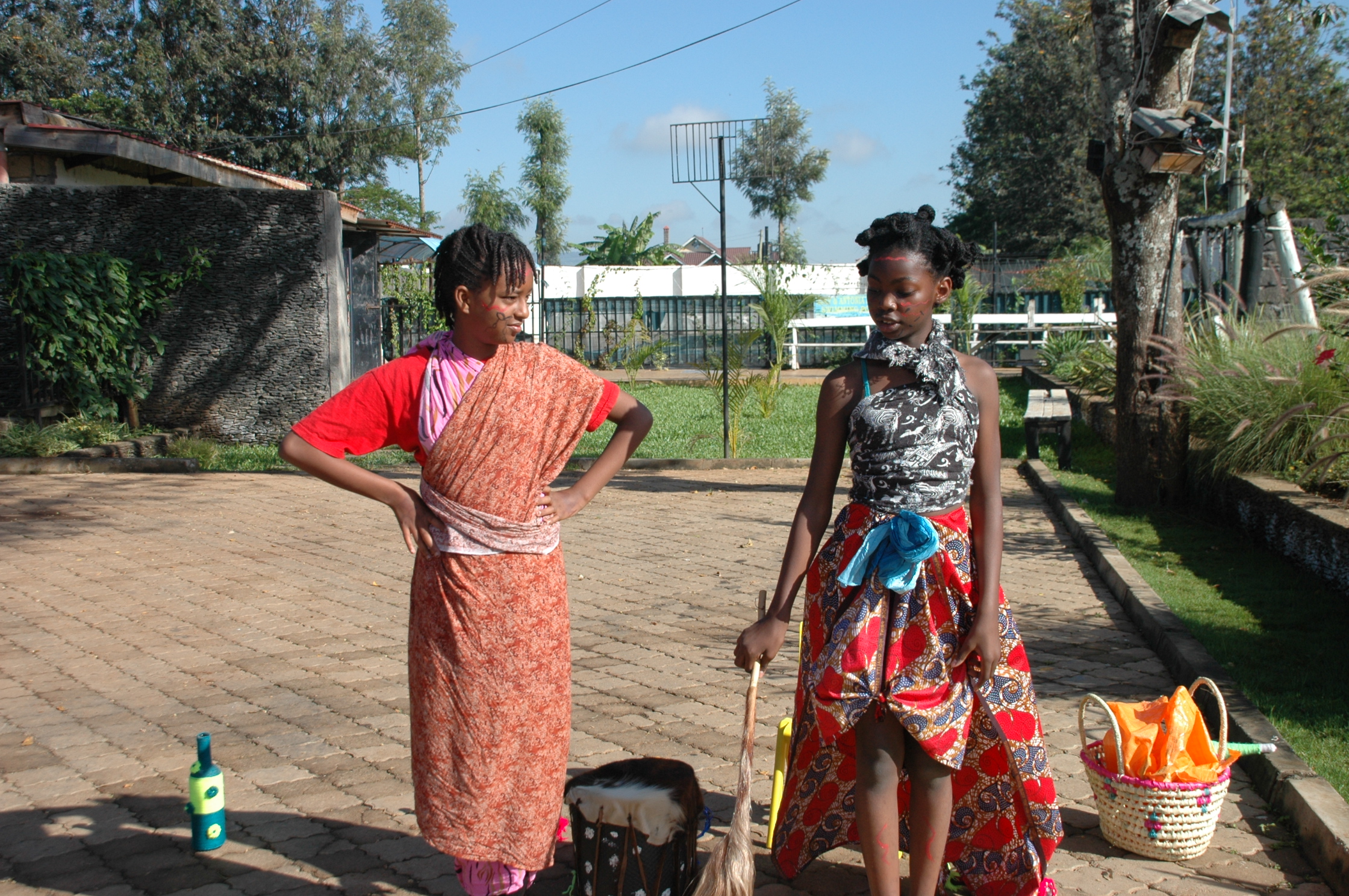
Freedom International Schools-Africa leads the way with initiatives that prepare students for global citizenship while honoring their cultural heritage.
Leadership Development for Students
At Freedom International Schools-Africa, leadership isn’t just encouraged—it’s cultivated. Students are groomed to become future leaders with a strong sense of identity.
-
Mentorship Programs: Students are paired with community leaders to learn firsthand about leadership and integrity.
-
Practical Experience: Leadership roles within the school give students the chance to practice their skills in real settings.
Leadership development at Freedom International Schools-Africa ensures that students don’t just learn about leadership—they become leaders.
Global Citizenship Curriculum Insights
The global citizenship curriculum at Freedom International Schools-Africa combines local relevance with international awareness.
-
Critical Thinking: Students are taught to analyze global issues through a cultural lens, fostering a balanced worldview.
-
Cultural Exchange: Opportunities for international collaboration broaden students’ horizons and build empathy.
Global citizenship at this school ensures students are prepared to make meaningful contributions on a global scale, while staying rooted in their cultural identity.
Service Learning Opportunities in Africa
Service learning is a key part of the education at Freedom International Schools-Africa. Students participate in projects that benefit local communities, enhancing their learning.
-
Community Projects: Students engage in activities that address real community needs, applying their skills in practical ways.
-
Empathy and Growth: Through service, students develop empathy and a deeper understanding of societal challenges.
Service learning transforms education from a theoretical exercise into a powerful tool for real-world change. Students gain invaluable lessons in empathy, leadership, and social responsibility.
By embracing community involvement and cultural identity, Freedom International Schools-Africa offers a transformative educational experience. This journey leads to students who are not just learners, but confident leaders ready to impact the world.