Rooted and Rising: Nurturing Cultural Identity and Independence in Young Learners
Most schools still separate cultural pride from academic independence. At Freedom International Schools-Africa, we prove they grow strongest when nurtured together. You’ll learn practical Afrocentric education strategies that build deep cultural identity in schools while fostering independent learning skills. This approach prepares your child to lead with confidence, rooted in African heritage and ready for global citizenship. For more on culturally responsive strategies, check out this resource: [https://www.naeyc.org/resources/pubs/yc/nov2016/culturally-responsive-strategies].
Building Cultural Identity in Schools
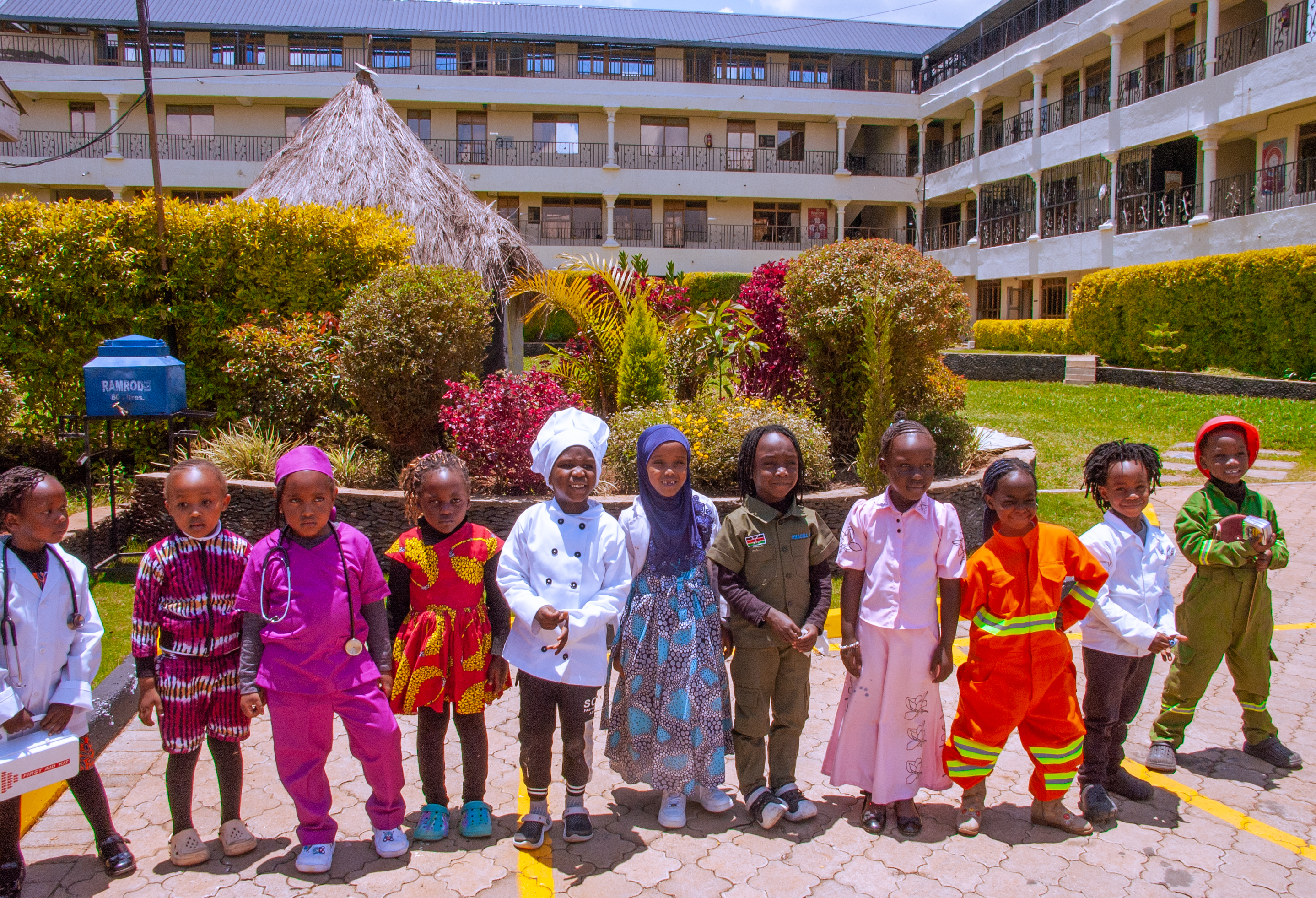
Building a strong cultural identity in schools lays the foundation for confident learners who are proud of their heritage. Let’s explore how Afrocentric education can enrich your child’s sense of self.
Afrocentric Education Benefits
Imagine your child thriving in an environment that celebrates their roots. Afrocentric education does just that. It places African culture at the center of learning, ensuring students see themselves in the curriculum. This approach boosts confidence and creates a connection to their history.
In Afrocentric schools, students learn about African leaders, artists, and innovators. This exposure inspires them to see greatness within themselves. They don’t just learn about history; they see how it shapes their identity today. The key insight: understanding one’s past is crucial to building a future.
Most people think education is just about academics, but it’s also about shaping identity. Our approach challenges that belief by integrating culture and learning. For more insights into identifying development in early childhood, visit this article.
African Heritage Curriculum Focus
A focus on African heritage brings stories of resilience and creativity to life. Students explore history, literature, and arts from an African perspective, making learning relevant and engaging.
This curriculum goes beyond textbooks. It involves community stories, cultural practices, and traditional wisdom, which enrich learning experiences. When students see their culture honored, they develop pride and motivation.
Consider a project where students interview elders about their experiences. This project connects generations, teaching respect and understanding. The longer you wait to embrace this approach, the more opportunities for deep connection are missed.
Celebrating Student Achievements
Every success story deserves celebration, and each achievement is a step towards building a strong identity. Recognizing accomplishments fosters a sense of belonging and motivation.
At our schools, achievements aren’t just academic. They’re about personal growth and contributions to the community. Celebrations might include cultural days or showcases of student talents, reinforcing pride in their heritage.
Here’s the key insight: celebrating achievements fuels a positive cycle of success. It encourages students to reach higher and explore their potential. Check out this community resource here for ideas on celebrating student success.
Cultivating Independent Learning Skills
While building cultural identity is crucial, fostering independence in learning allows students to thrive. Let’s dive into how you can support this growth at home and in school.
Encouraging Child Agency and Voice
Empowerment starts with listening to your child’s voice. When students express their ideas, they develop confidence and ownership in their learning journey.
Create spaces where children feel safe to share thoughts. Encourage them to set learning goals and explore topics they’re passionate about. This approach nurtures independence and critical thinking.
Here’s a pattern break: listening isn’t just hearing; it’s about valuing opinions. When children feel heard, they become active participants in their education. Discover more about developing agency here.
Project-Based Learning in Africa
Project-based learning transforms ideas into action. Students engage in real-world challenges, developing problem-solving skills and creativity.
In Africa, projects often focus on community needs. Students might create a community garden or develop a recycling program. These projects teach responsibility and teamwork, essential skills for future leaders.
Most people think learning happens in classrooms, but it’s everywhere. This method breaks the mold, showing students they can make a difference now. See how you can incorporate this approach here.
Parent Partnership in Education
Parents play a vital role in nurturing independent learners. Your involvement shows children the value of education and community support.
Engage in school activities, support homework, and celebrate successes. These actions reinforce learning and create a supportive environment. When parents and schools collaborate, children benefit most.
The key takeaway: education is a partnership. As you invest in your child’s learning, you’ll see growth in ways you never imagined. Explore more on parent partnerships here.
Global Citizenship and Leadership

Equipping students with leadership skills and a global mindset prepares them for a world beyond school. Let’s explore how this can be achieved.
Student Leadership Development
Leadership opportunities in school lay the groundwork for future success. Encourage students to take on roles that challenge them and develop new skills.
Participation in student councils, clubs, or community projects builds confidence and responsibility. These experiences teach decision-making and collaboration.
Here’s the key insight: leadership isn’t a title, it’s an action. Start fostering it early, and watch your child’s potential unfold. Learn more about developing these skills here.
Ubuntu in Education Practices
Ubuntu, meaning “I am because we are,” emphasizes community and shared humanity. This philosophy shapes a compassionate and inclusive educational environment.
In practice, Ubuntu encourages cooperation and empathy. Students learn to value others, fostering a strong sense of community. These lessons prepare them for collaborative global citizenship.
Most people see education as competitive, but Ubuntu redefines it as cooperative. This approach nurtures leaders who value everyone’s contributions. Explore more on Ubuntu in education here.
Culturally Responsive Teaching in Africa
Teaching that honors cultural backgrounds creates engaged learners. Culturally responsive methods adapt teaching to reflect students’ identities.
In Africa, this might include using local languages, traditions, or examples in lessons. This approach makes learning relatable and effective, fostering genuine understanding.
Here’s the pattern interrupt: teaching isn’t just about delivering content, it’s about connecting with students. When educators embrace cultural responsiveness, students thrive. Discover more strategies here.