Raising Confident Global Africans: Home Strategies for Culture and Independence
You want your child to grow up proud of their African roots and ready to lead with confidence. Yet, blending cultural identity and independence at home can feel overwhelming. This guide offers simple, daily steps to nurture both—rooted in Afrocentric education and the IB Learner Profile. Let’s explore how your family can celebrate heritage and build leadership together! For more insights, check out this resource.
Celebrating African Heritage at Home
Understanding how to weave cultural identity into your daily life creates a strong foundation for your child’s growth. Let’s start with how Afrocentric education can nurture this identity.
Afrocentric Education and Identity
Education rooted in African culture enriches a child’s sense of self. It helps them feel connected to their roots, fostering pride and respect for their heritage. Afrocentric education doesn’t just teach about the past; it emphasizes the present and future potential of African contributions to the world.
Schools like Freedom International Schools-Africa focus on this approach, blending traditional knowledge with contemporary learning. This method encourages children to value their cultural backgrounds while preparing them for global interactions. By integrating cultural lessons at home, you provide your child with the tools to navigate various cultural landscapes confidently.
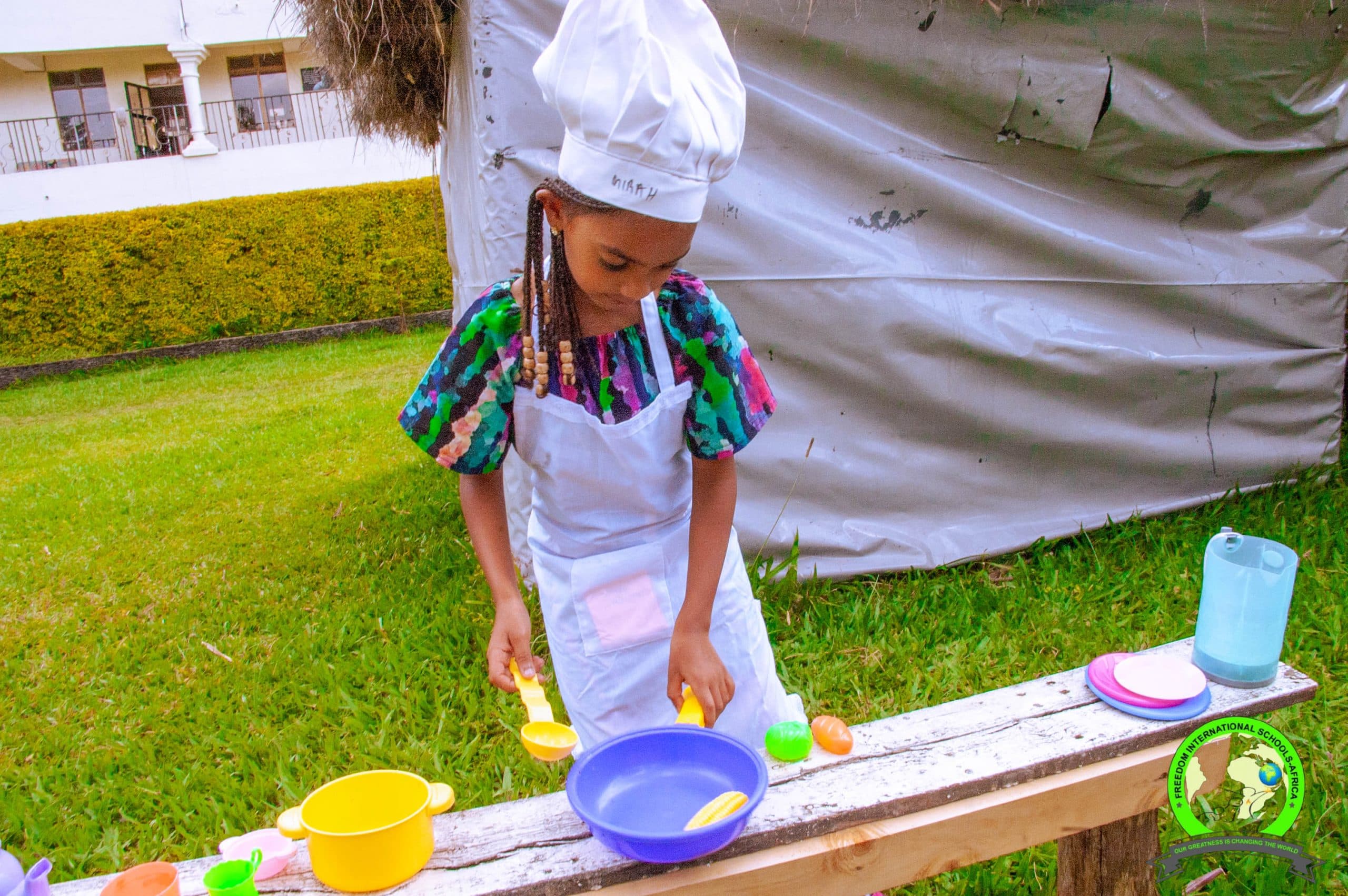
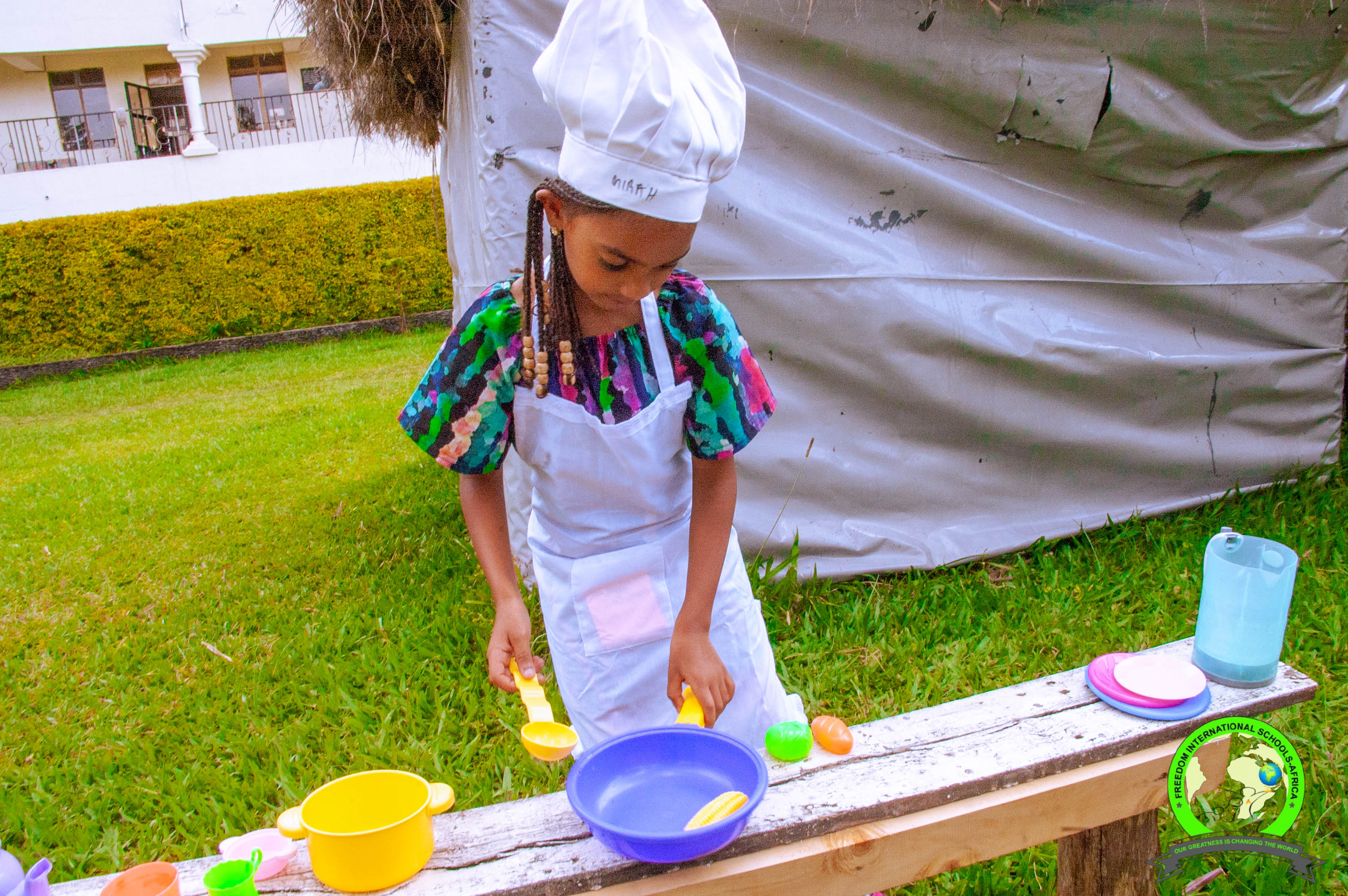
It’s not enough to just talk about culture; involve your child in activities that celebrate it. Cook traditional meals together or explore African art and music. These experiences build a rich tapestry of knowledge and appreciation, shaping a well-rounded identity. Learn more about nurturing cultural identity here.
African Languages and Storytelling
Language is a powerful vessel for cultural transmission. Speaking and learning African languages at home can enhance your child’s understanding of their heritage. Stories passed down through generations also play a crucial role. They teach morals, history, and values in an engaging way.
Encourage your child to learn their native language or explore new ones. Language learning apps and books can make this process fun and interactive. Storytelling sessions, where you share tales from your childhood or traditional stories, can become a cherished family tradition.
Listening to elders recount stories can also provide unique insights into cultural wisdom. These narratives are not just entertaining; they teach children about resilience, community, and identity. Through language and stories, your child learns to embrace their cultural roots and communicate them to others.
Sankofa Mindset and Traditions
The Sankofa mindset emphasizes looking back to go forward. It teaches children the importance of acknowledging and learning from the past. This mindset encourages respect for traditions while inspiring innovative thinking for the future.
Incorporate Sankofa principles by celebrating cultural festivals and participating in community traditions. These activities help children understand the significance of cultural rituals and how they shape community bonds.
Encourage your child to ask questions about their heritage and explore its different aspects. This curiosity can spark a lifelong love for learning and a deeper appreciation for their roots. By honoring traditions, you foster a sense of belonging and identity in your child.
Building Independence and Leadership
With a strong cultural foundation, it’s time to focus on building independence and leadership skills. These qualities prepare children for future challenges and opportunities.
Positive Discipline and Independence
Positive discipline nurtures independence and self-confidence. Instead of focusing on what a child shouldn’t do, it highlights what they can achieve. This approach encourages problem-solving and decision-making skills.
Implementing positive discipline means setting clear but flexible boundaries. Allow your child to make choices within these limits, teaching them responsibility and self-control. Praise their efforts and provide constructive feedback, helping them learn from mistakes without fear of judgment.
Encourage independence by assigning age-appropriate tasks and responsibilities. Whether it’s helping with chores or managing their schoolwork, these activities empower children to take charge and develop a sense of accomplishment.
IB Learner Profile at Home
The IB Learner Profile emphasizes traits like being inquirers, knowledgeable, and caring. These attributes can be cultivated at home through everyday interactions. Creating an environment that promotes curiosity and empathy helps children develop into well-rounded individuals.
Encourage your child to ask questions and explore their interests. Provide them with resources and opportunities to learn about new topics. This habit fosters a love for learning and critical thinking skills.
Modeling empathy and respect in daily interactions teaches children the importance of being considerate and understanding. Encourage discussions about global issues and different cultures, helping them develop a global perspective and a sense of social responsibility.
Leadership Development for Children
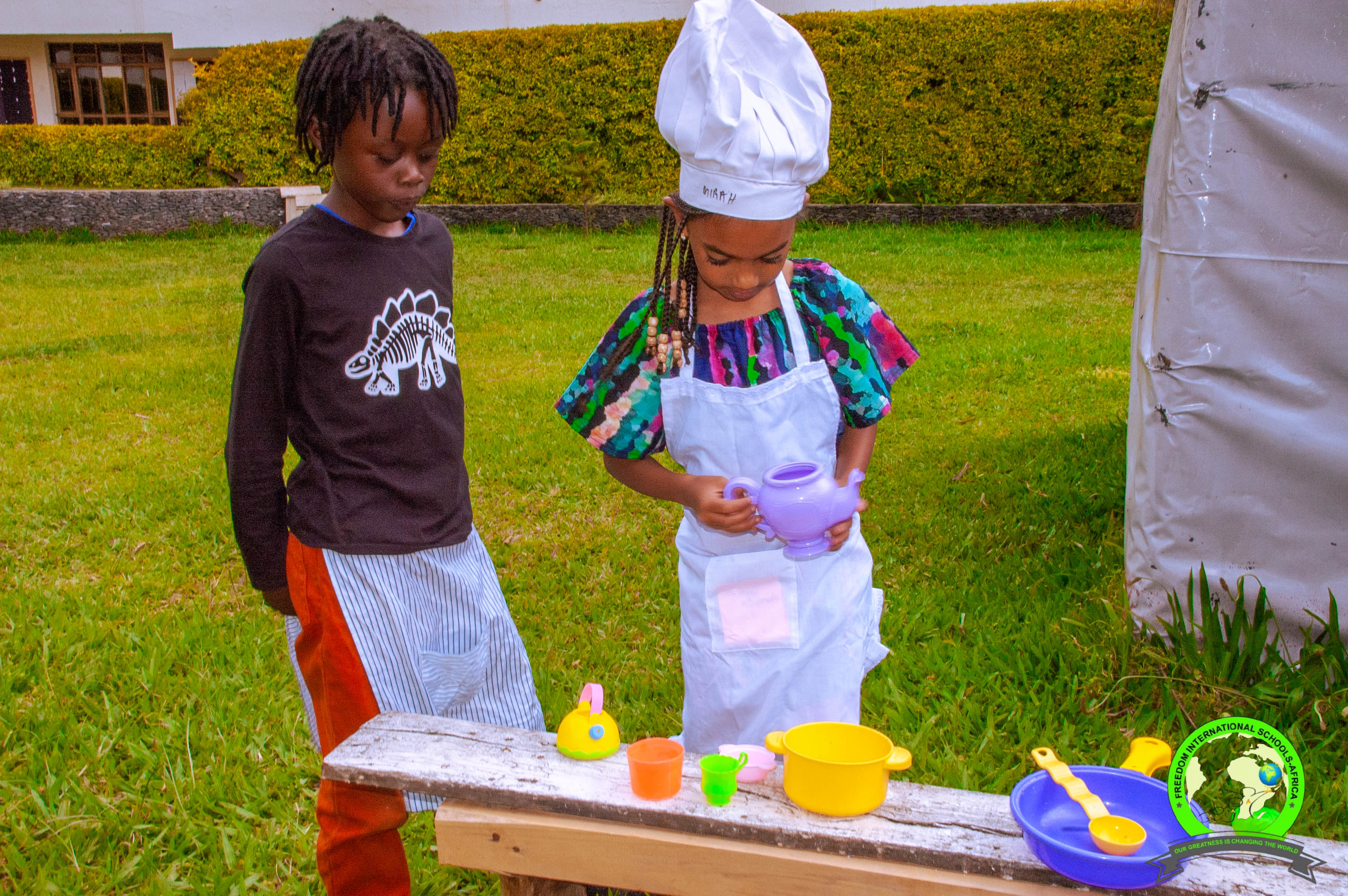
Leadership skills can be nurtured from a young age. Encourage your child to take initiative and lead projects or activities. These experiences build confidence and teach essential skills like communication and teamwork.
Involve your child in decision-making processes, whether it’s planning a family outing or organizing their study schedule. This involvement teaches them about responsibility and the impact of their choices.
Encourage participation in extracurricular activities that promote leadership, such as sports teams or community service. These experiences provide practical opportunities for children to hone their leadership skills and learn the value of collaboration.
Engaging with Freedom International Schools-Africa

To further support your child’s development, consider engaging with educational communities like Freedom International Schools-Africa. These institutions offer valuable resources and programs that align with Afrocentric and IB educational philosophies.
Ubuntu Values for Families
Ubuntu is a philosophy that emphasizes community and shared humanity. It teaches that “I am because we are,” highlighting the importance of relationships and mutual support.
Incorporating Ubuntu values at home fosters a sense of belonging and empathy. Encourage family activities that build strong bonds and promote collective well-being. Teach your child the importance of kindness and helping others, reinforcing these values in everyday interactions.
Parent Workshops and Community Programs
Participating in parent workshops and community programs provides valuable insights and support. These initiatives offer guidance on culturally responsive parenting and strategies to nurture independence and leadership in children.
Engaging with these resources connects you with other like-minded parents and educators. Sharing experiences and learning from others enriches your parenting journey, providing fresh perspectives and ideas. Check out this guide on cultural parenting for more tips.
Join the Parent Circle Workshop! 🎉
The journey of nurturing a proud and independent child is ongoing. By embracing Afrocentric education and values at home, you’re setting the stage for your child’s success. Engaging with Freedom International Schools-Africa and similar programs enhances this journey, offering support and community.
Celebrate your child’s growth and achievements while continuing to explore new ways to connect with your heritage. The longer you wait, the more opportunities you miss to make a meaningful impact. Start today, and watch as your child flourishes into a confident leader equipped to make a difference in the world.