It Takes a Village: How Community Engagement Powers Afrocentric Educational Success
Community engagement in schools isn’t just a nice idea—it’s the heartbeat of Afrocentric education that shapes proud, confident leaders. When African heritage meets the IB World School Africa framework, something powerful happens: students grow in identity, achievement, and leadership. Join us to see how this village model of education invites you to be part of a thriving community where your child’s potential shines! Learn more here.
Community Engagement in Schools
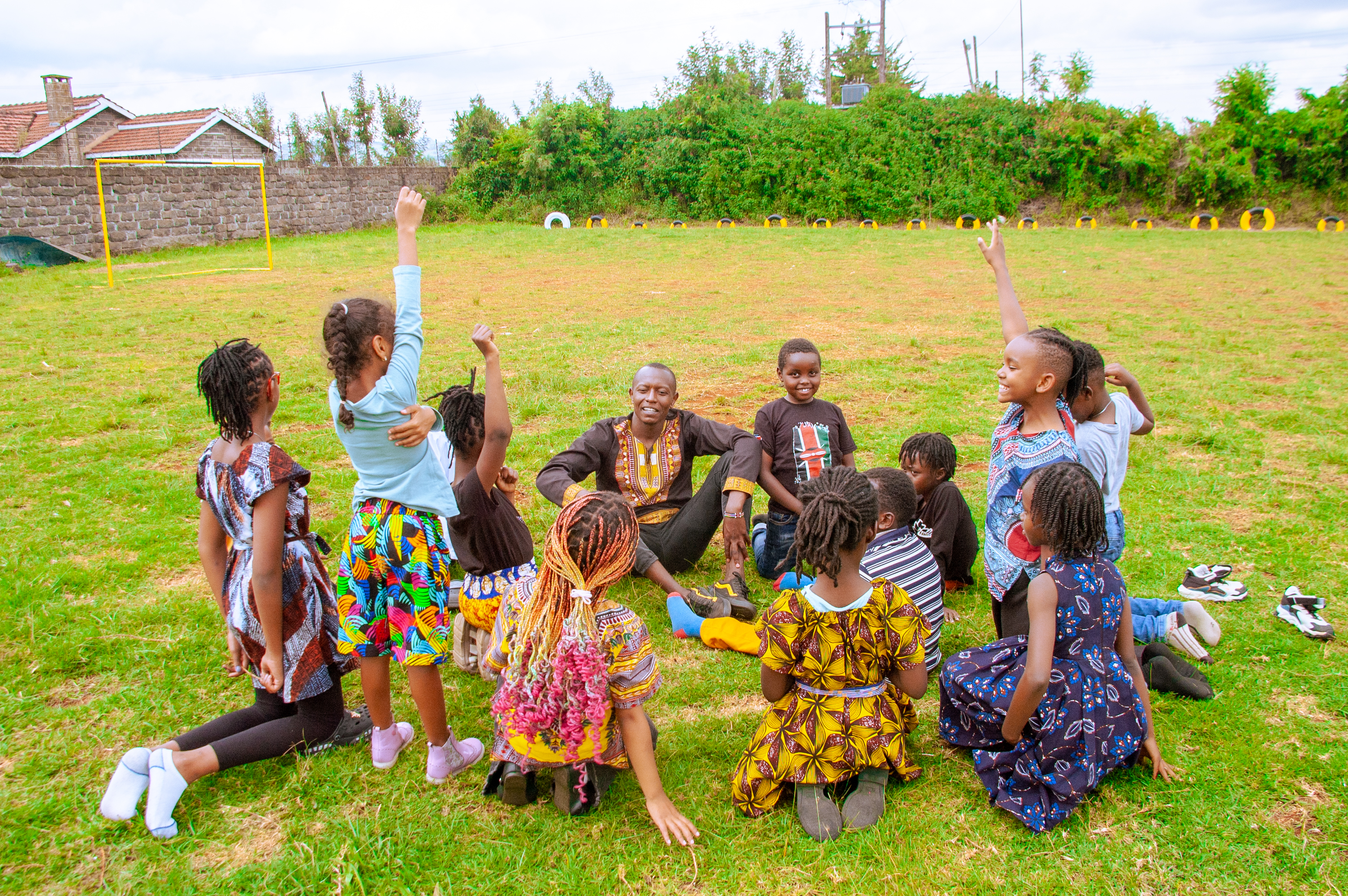
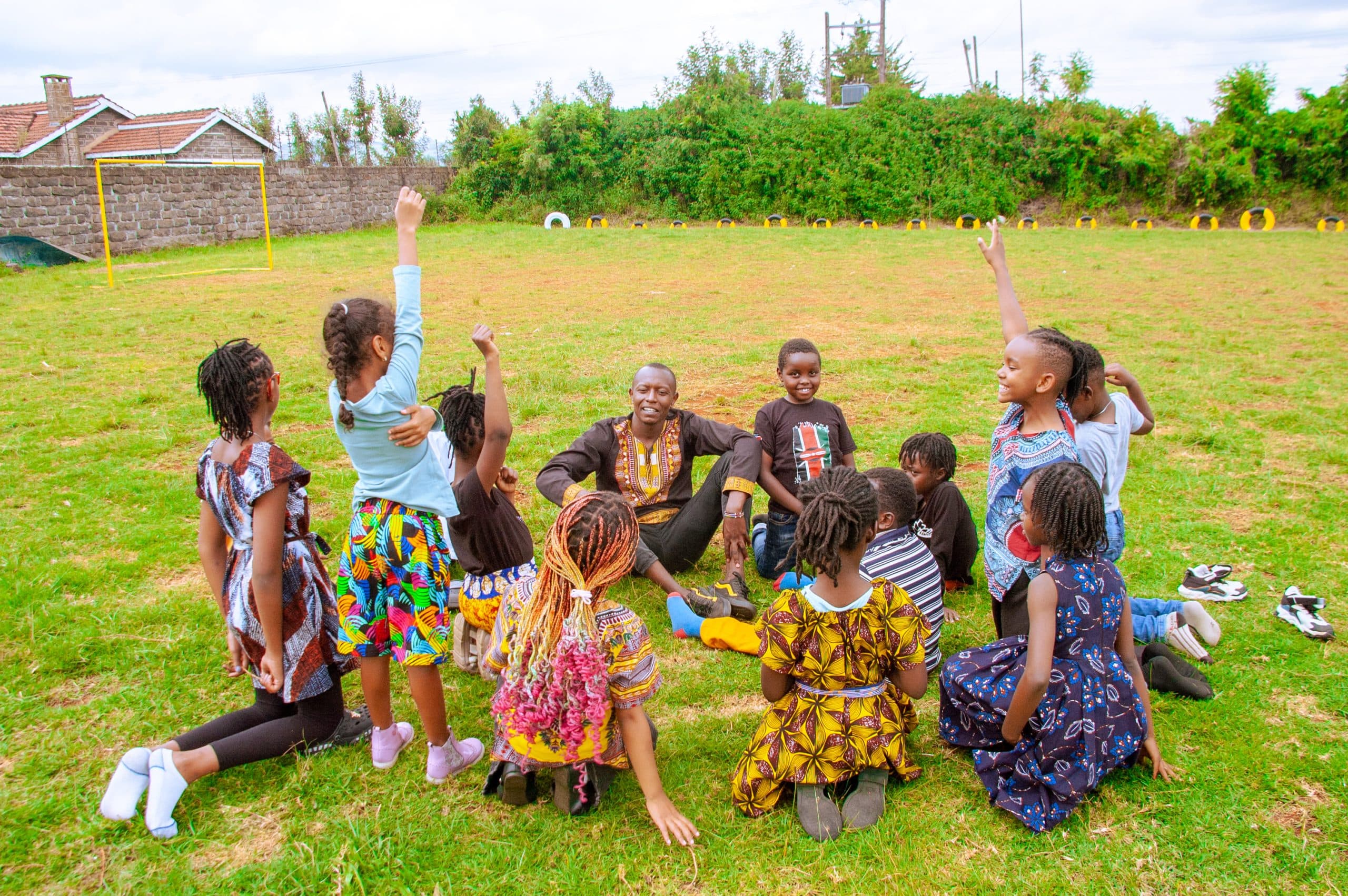
Imagine a place where parents, teachers, and students work together like one big family. This is the essence of a successful school community, especially in Afrocentric education. It’s the starting point for every child’s journey toward greatness.
Parent-School Partnership
When parents get involved, magic happens. You become a key part of your child’s education, creating a supportive atmosphere. This partnership doesn’t just benefit the students; it strengthens the whole community.
-
Active Participation: Join school events and meetings. Your voice and presence make a difference.
-
Collaborative Efforts: Work with teachers to support learning at home. This shared goal boosts academic success.
As you engage more, you’ll notice the positive changes in your child. They become more confident and motivated, ready to tackle challenges head-on.
Mentorship Programs for Students
Mentorship is a powerful tool. It connects students with role models who can guide them through their educational journey. These programs are essential for nurturing leadership skills.
-
Role Models: Mentors from the community share experiences and wisdom, inspiring students.
-
Personal Growth: Students learn valuable life skills. This guidance helps them navigate both academic and personal challenges.
Mentorship transforms dreams into reality. Students see what’s possible and strive to achieve their goals.
Afrocentric Education and Identity

Education rooted in African culture builds strong identities. It’s about understanding who you are and where you come from. This foundation is crucial for personal growth and success in the global world.
African Heritage in Curriculum
Our curriculum celebrates African history and culture. It’s not just about learning facts; it’s about connecting with your roots.
-
History and Stories: Students explore African tales, legends, and achievements. This deepens their appreciation for their heritage.
-
Real-World Connections: By linking cultural history with current global issues, students gain a well-rounded perspective.
This approach instills pride and confidence in students, empowering them to embrace their identity.
Culturally Responsive Teaching
Teachers play a vital role in this educational approach. They create a learning environment that respects and celebrates diversity.
-
Inclusive Lessons: Lessons are designed to reflect diverse cultures and perspectives, making learning relatable and engaging.
-
Student-Centered Approach: Teachers adapt to meet the unique needs of each student. This personalized method encourages active participation.
Every student feels valued and understood. They thrive in an environment that respects their cultural background.
Building Global Citizens
In today’s world, students must be prepared to think globally. Education should equip them with the skills to make a positive impact, both locally and internationally.
Youth Leadership Africa
Leadership is more than just a title. It’s about taking initiative and inspiring others. Our programs focus on developing these skills from an early age.
-
Leadership Opportunities: Students take on roles that challenge them to lead and innovate.
-
Community Projects: By engaging in local projects, students learn the importance of giving back.
Leadership experiences empower students to become change-makers in their communities.
Service Learning in Africa
Service learning combines community service with classroom instruction. It’s a hands-on approach to education that benefits both students and communities.
-
Real Impact: Students work on projects that address real-world issues. They learn by doing and see the difference they make.
-
Skill Development: This method teaches problem-solving and critical thinking, essential skills for any future leader.
Through service learning, students develop a sense of responsibility and empathy. They’re prepared to take on the world with confidence and compassion.
Conclusion: Community engagement is the foundation of our approach at Freedom International Schools-Africa. By connecting families, mentors, and educators, we create an environment where every child can thrive. We invite you to be part of this vibrant community. Together, we can shape the leaders of tomorrow.