It Takes a Village: How Community Engagement Powers Afrocentric Educational Success
Community engagement in schools is not just a nice-to-have—it shapes the very heart of Afrocentric education. When parents, elders, creatives, alumni, and mentors come together, they build a powerful support net that lifts every student. At Freedom International Schools-Africa, this vibrant community fuels success within our Afrocentric IB World School framework. Get ready to see how your involvement can spark leadership, pride, and achievement in your child’s education! Learn more about how community engagement supports educational growth and cultural pride.
The Power of Community in Afrocentric Education
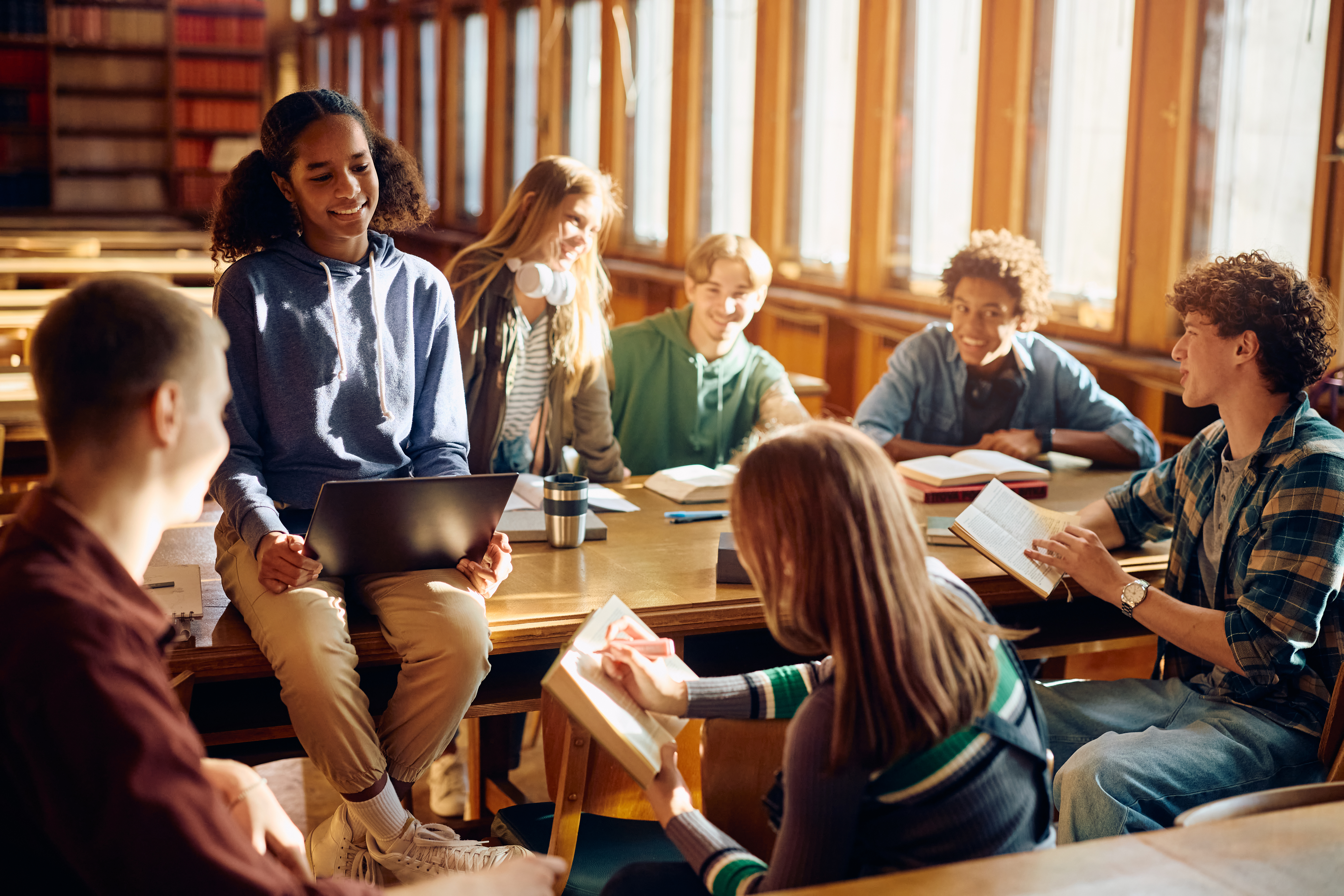
Community is the backbone of any thriving educational environment. At Freedom International Schools-Africa, we see the remarkable effects that a united community can have on our students’ success. Let’s explore how this unity manifests in different roles.
Parents as Partners
Parents play a crucial role in their child’s education. When you get involved, you become an active participant in shaping your child’s future. By attending school events, joining parent-teacher associations, or even volunteering, you help create an inclusive school community. Research shows that parental involvement can boost a child’s academic performance and self-esteem. How can you make an impact? Start with small steps, like reading together at home or discussing school activities.
Your presence at school events sends a powerful message: education is important. When parents show interest, children are more likely to value their learning. This sense of partnership fosters a supportive atmosphere where students thrive.
Elders-in-Residence: Wisdom in Action
In many African cultures, elders hold a special place of respect and admiration. At our school, we integrate this wisdom into daily learning. Elders share stories, history, and skills, enriching the educational experience. Their presence not only bridges generational gaps but also instills a deep appreciation for our roots.
Imagine the insights your child gains from a storytelling session with an elder. Such experiences provide context to classroom learning, making it more relatable and meaningful. By welcoming elders into schools, we create a tapestry of knowledge that is both rich and diverse.
Mentorship Programs in Schools
Mentorship is a powerful tool in education. At Freedom International Schools-Africa, we connect students with mentors who guide them on their educational journey. These programs provide students with role models they can look up to. Mentors from various fields share their experiences, offering students a glimpse into potential career paths and life skills.
Our mentorship programs are about more than guidance; they are about building confidence. When students see someone they admire succeeding, they believe they can too. This belief can be transformative, igniting a passion for learning and personal growth.
Celebrating African Heritage in Curriculum
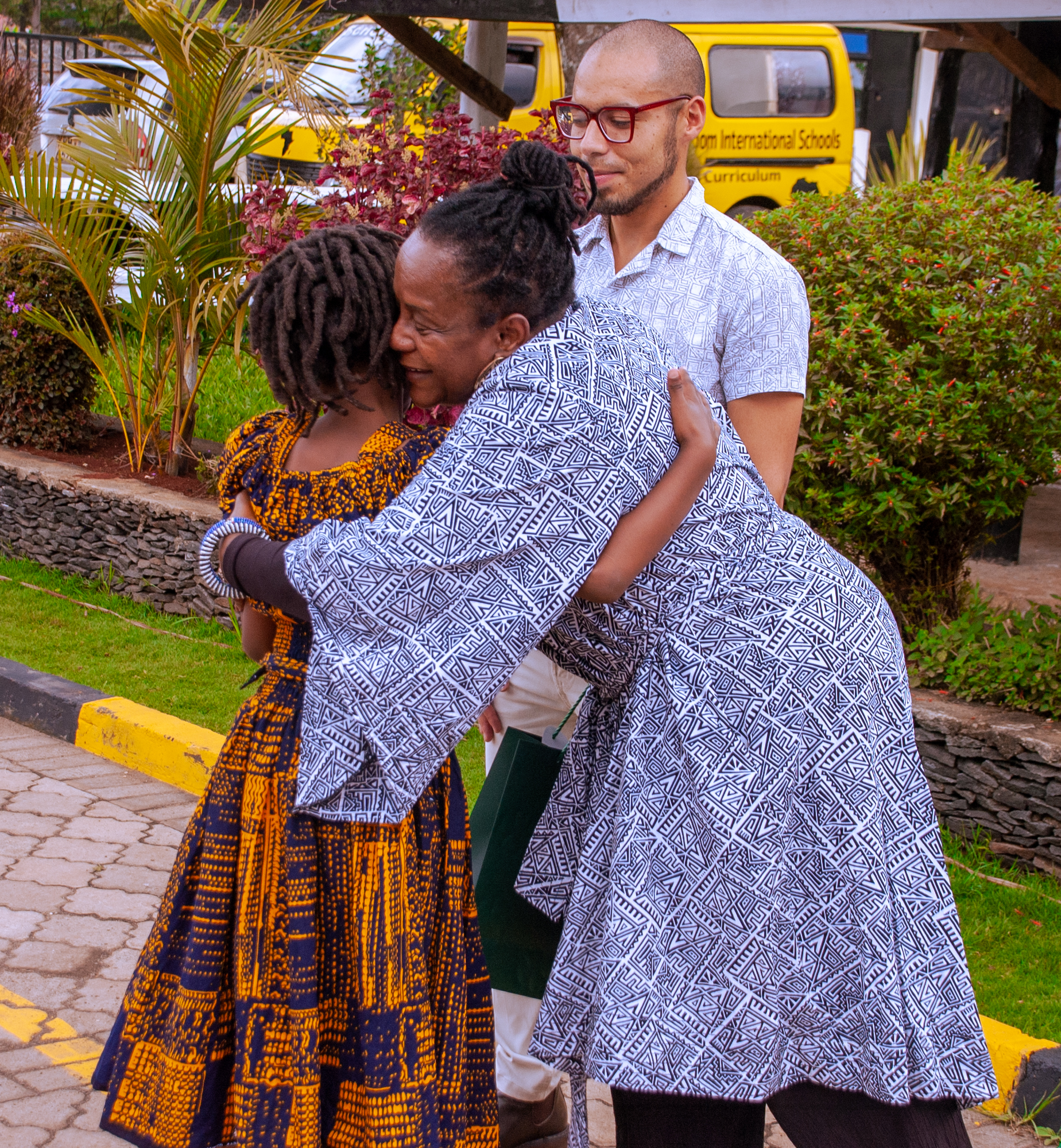
Embracing African heritage within the curriculum is a powerful way to foster pride and identity. Our curriculum is designed to highlight the richness of African culture, ensuring students appreciate their roots while preparing for the future.
Sankofa Learning: Connecting Past and Present
Sankofa is a concept that teaches us to look back at the past to understand the present. In our classrooms, this means exploring African history and its influence on today’s world. We emphasize the importance of knowing where you come from to understand where you are going.
With Sankofa learning, students connect historical events to current issues. This approach cultivates critical thinking and helps students see the relevance of history in their lives. By understanding their heritage, students gain a sense of pride and responsibility.
Arts & Culture Residencies
Art is a powerful medium for expression and cultural exploration. Our arts and culture residencies invite local artists to work with students, encouraging creativity and cultural expression. Through dance, music, and visual arts, students explore their identity and heritage.
These residencies allow students to experience African culture firsthand. They learn traditional dances, create art inspired by their heritage, and more. This immersive experience not only enhances learning but also instills a deep appreciation for cultural diversity.
Culturally Responsive Teaching Africa
Incorporating cultural responsiveness in teaching is key to our approach. This means understanding and valuing the diverse backgrounds of our students. Teachers use cultural references in lessons, making learning more engaging and relatable.
Culturally responsive teaching is about more than content; it’s about respect and understanding. By acknowledging students’ backgrounds, we create an inclusive environment where everyone feels valued. This approach builds trust and encourages students to participate actively in their learning.
Building Student Leadership Africa
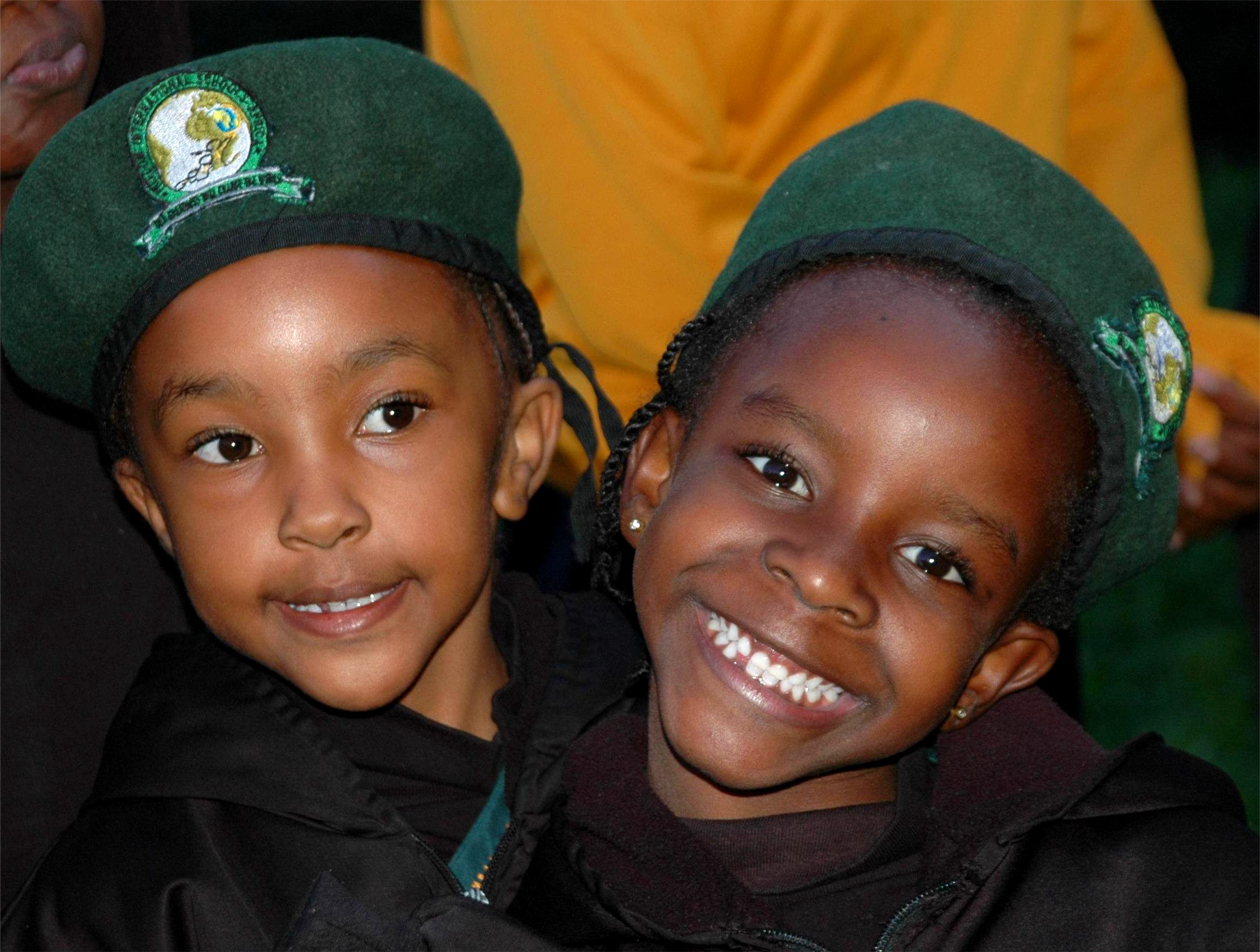
Developing leadership skills is a cornerstone of our educational philosophy. We believe in empowering students to become tomorrow’s leaders, equipped with the skills and confidence they need to succeed.
Service Learning Africa Opportunities
Service learning combines community service with classroom learning. Students engage in projects that address real-world issues, applying what they learn in school to make a difference in their communities.
Service learning teaches responsibility and empathy. It shows students the impact they can have, fostering a sense of civic duty and community awareness. When students see the results of their efforts, they gain confidence and a sense of accomplishment.
Leadership Development for Students
Our leadership programs focus on developing essential skills such as communication, decision-making, and teamwork. Through workshops and activities, students learn to lead and inspire others.
Leadership development is about more than skills; it’s about instilling a mindset of growth and resilience. Students learn to embrace challenges and view failures as learning opportunities. This mindset prepares them to tackle future obstacles with confidence.
Global Citizenship Education Pathways
In today’s interconnected world, global citizenship is more important than ever. Our programs prepare students to understand and engage with global issues. We teach empathy, cultural awareness, and the importance of contributing to a global community.
Global citizenship education provides students with a broader perspective. They learn to appreciate diversity and recognize their role in the world. This knowledge empowers them to become agents of change, ready to make a positive impact both locally and globally.
As we conclude, remember that community engagement in schools is not just beneficial—it’s essential. By getting involved, you contribute to a vibrant, inclusive, and supportive learning environment. Together, we can empower our students to excel and lead with confidence. The longer you wait to join this transformative journey, the more opportunities are missed. Embrace the power of community and make a meaningful impact on your child’s education today!