Innovative Afrocentric + IB Teaching: Where African Heritage Meets Global Standards
Forget what you know about traditional schooling. Your child deserves an education that honors African heritage while meeting global standards. At Freedom International Schools–Africa, we combine Afrocentric education with the IB framework through inquiry-based learning, storytelling, and STEAM rooted in indigenous knowledge. This is where African pride and 21st-century skills come together to shape confident, creative leaders ready to impact the world! Learn more about how Afrocentric education and IB grow ethical leaders here.
Afrocentric Education Meets Global Standards
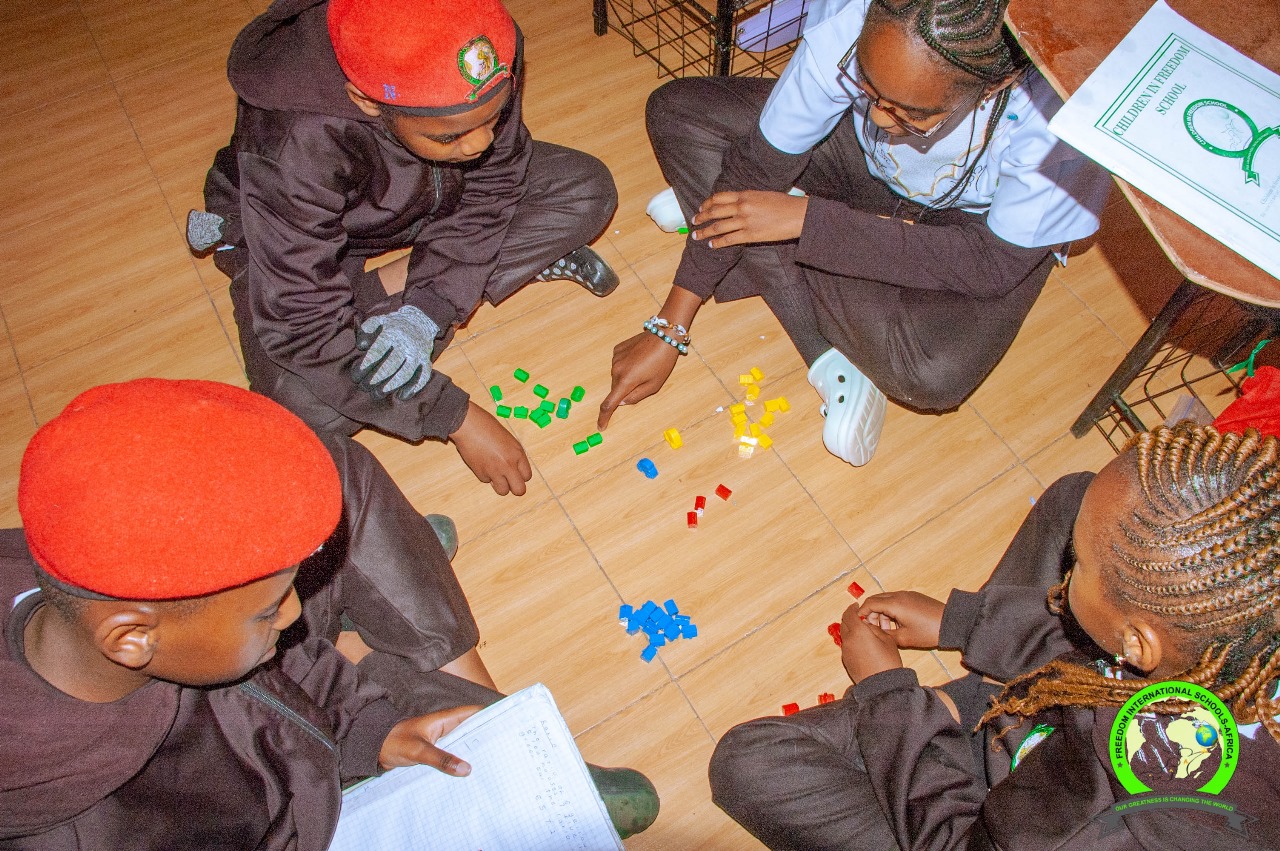
Bringing together cultural richness and academic excellence, this approach revolutionizes learning. Your child can benefit from a curriculum that respects African roots while adopting internationally acclaimed educational frameworks.
Infusing African Heritage in Learning
Imagine a classroom where your child learns through stories of African heroes and heroines. This instills pride and identity. At Freedom International Schools–Africa, we focus on African heritage as a foundation for learning. Your child will explore history, arts, and sciences through an Afrocentric lens.
-
Heroes of the Past: Students learn about pivotal African figures.
-
Cultural Arts: Creative expression through traditional crafts and music.
-
Historical Insight: Understanding Africa’s role in world history.
This holistic approach not only enhances understanding but also strengthens identity. By valuing their heritage, students grow into self-aware and confident individuals ready for the world stage.
Inquiry-Based Learning Africa
Curiosity is the driving force of education. Inquiry-based learning encourages your child to ask questions and seek answers. This method helps develop critical thinking and problem-solving skills.
Let’s say your child is interested in learning why certain plants grow in specific regions of Africa. Through inquiry-based learning, they will:
-
Formulate questions about climate and geography.
-
Conduct experiments to understand plant growth.
-
Present findings to peers, fostering public speaking skills.
This hands-on approach prepares students for real-world challenges. By exploring and experimenting, they gain a deeper understanding of their environment and the world beyond.
Project-Based Learning with a Purpose
Learning by doing is at the heart of project-based education. Your child will engage in projects that have real-world applications, making learning meaningful and memorable.
Consider a project on sustainable farming. Students might:
-
Research: Study farming techniques across Africa.
-
Plan: Design a sustainable farm model.
-
Execute: Implement the plan in a school garden.
This practical application of knowledge not only solidifies learning but also instills a sense of responsibility toward the community and the environment. It’s education with impact!
Celebrating African Identity in Education
Honoring African identity is more than a curriculum choice; it’s a celebration of cultural richness and diversity. When students see their culture reflected in their education, they thrive.
Indigenous Knowledge in Education
Indigenous knowledge is a treasure trove of wisdom and skills passed down through generations. By incorporating this into education, we preserve cultural heritage while providing students with unique learning experiences.
Imagine lessons where:
-
Students learn to weave using traditional methods.
-
They explore indigenous medicinal plants and their uses.
-
Local elders share folktales and life lessons.
This approach respects and honors the wisdom of the past, creating a bridge between traditional practices and modern education. It’s an enriching experience for every learner.
STEAM with African Context
Science, Technology, Engineering, Arts, and Mathematics (STEAM) are vital in today’s world. Integrating these subjects with African context makes learning relevant and engaging.
Take a math lesson on geometry:
-
Art Connection: Create patterns inspired by African textiles.
-
Engineering Task: Design structures using principles from traditional architecture.
By contextualizing STEAM subjects, students see the relevance of their learning in everyday life. They develop a deeper appreciation for their heritage while acquiring essential skills.
Culturally Responsive Teaching Africa
Teaching that acknowledges and respects students’ cultural backgrounds fosters a welcoming and inclusive environment. At Freedom International Schools–Africa, culturally responsive teaching is a cornerstone of our educational philosophy.
-
Inclusive Curriculum: Lessons include diverse perspectives and stories.
-
Responsive Educators: Teachers adapt methods to meet students’ cultural needs.
This approach empowers students, making them feel valued and understood. It promotes an inclusive classroom culture where every voice is heard and respected.
Empowering Global Citizens
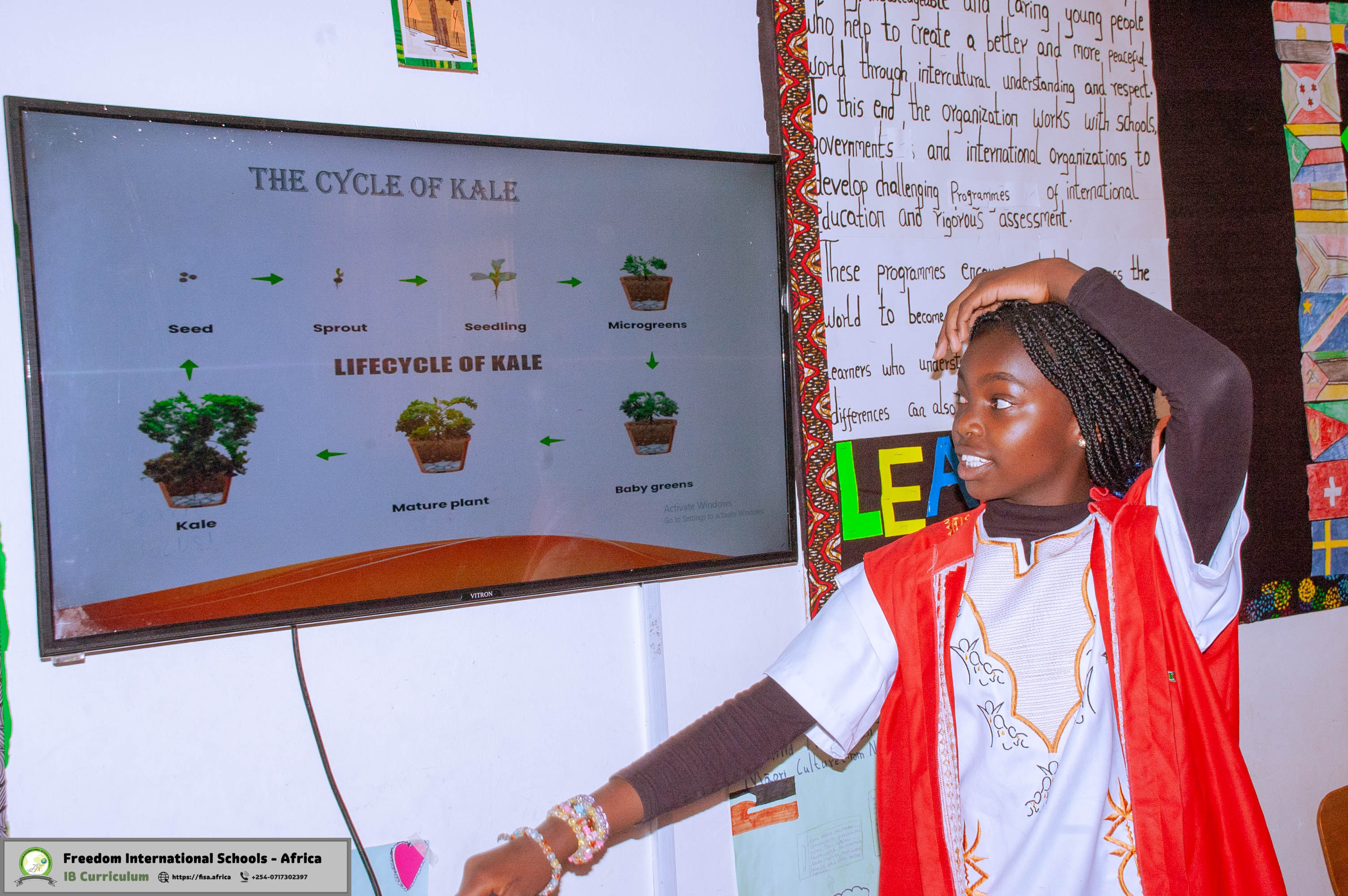
Prepared to make a difference, students from this school are not just learners—they’re future leaders. Empowering them with the skills they need today for tomorrow’s challenges.
Leadership Development for Students
Leadership isn’t just a trait; it’s a skill that can be nurtured. By providing opportunities for leadership development, we prepare students to take on roles that require initiative and responsibility.
-
Student Council: Encourages active participation in school governance.
-
Leadership Workshops: Develops skills like decision-making and teamwork.
Through these programs, students gain the confidence to lead and make informed decisions, both in their communities and on the global stage.
Community Service Learning Africa
Giving back to the community is a core value at Freedom International Schools–Africa. Community service learning teaches empathy and social responsibility.
Consider the impact:
-
Local Projects: Students work on initiatives like clean-up drives.
-
Global Perspective: They learn about challenges faced by communities worldwide.
These experiences shape compassionate and socially aware individuals. By contributing to their communities, students learn the importance of service and the joy of helping others.
21st-Century Skills in Africa 🌍✨
In a world that’s constantly changing, 21st-century skills are crucial. These skills include creativity, communication, and collaboration.
-
Creative Problem Solving: Encourages innovative thinking.
-
Effective Communication: Prepares students to express ideas clearly.
-
Collaborative Projects: Fosters teamwork and cooperation.
By focusing on these skills, Freedom International Schools–Africa equips students to excel in a globalized world. They become adaptable, resourceful, and ready to tackle any challenge with confidence and pride in their African identity.
In summary, Freedom International Schools–Africa offers an education that is rich in heritage and strong in global standards. This unique approach ensures your child is prepared not only to succeed but to thrive, making a positive impact wherever they go.