Harnessing Heritage: The Power of Culturally Inclusive Curriculums in Shaping Global Citizens
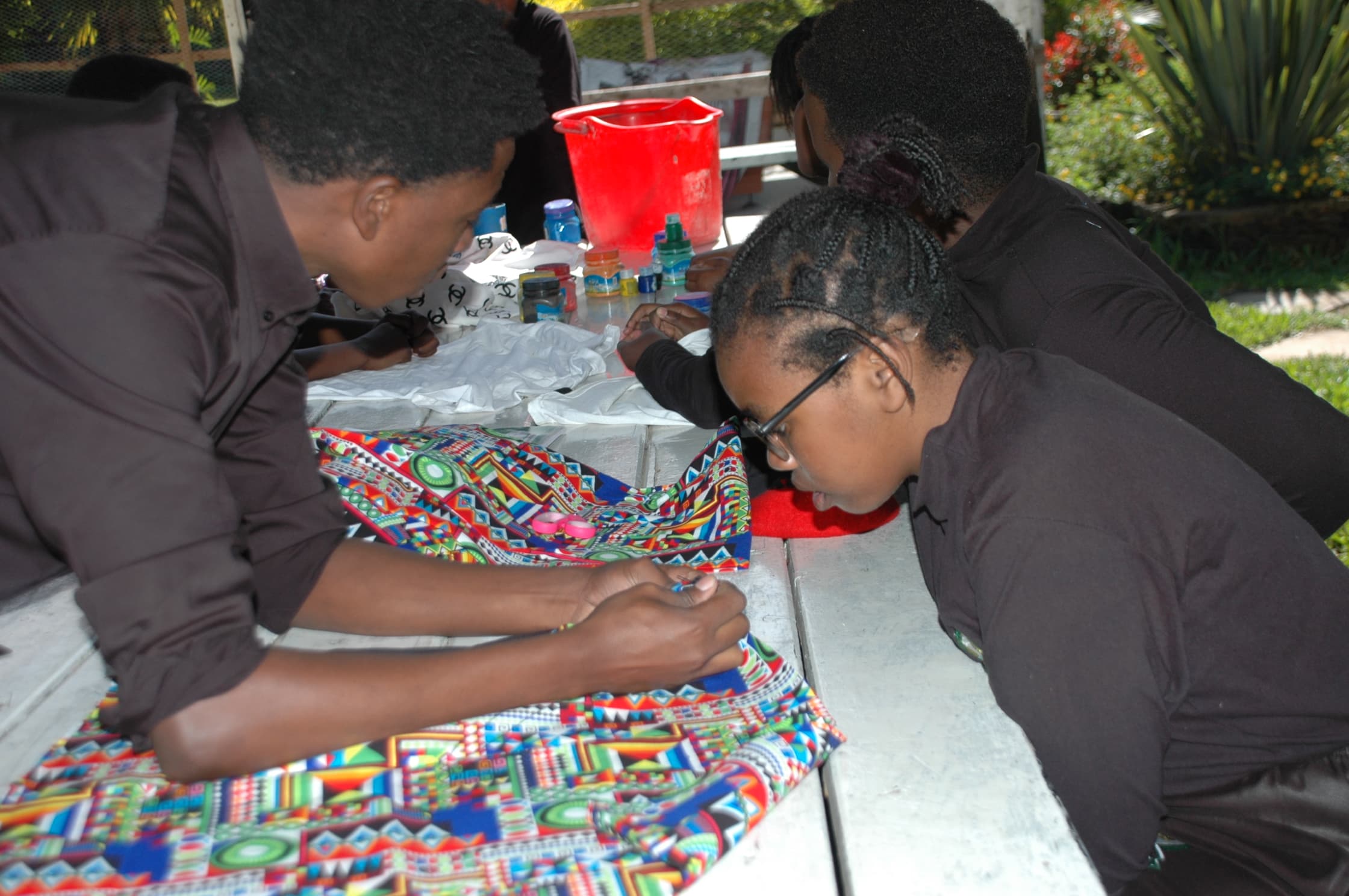
Culturally inclusive curriculums are reshaping how our children see themselves and the world! When education honors African heritage alongside international standards, students gain more than facts—they build pride, sharpen critical thinking, and grow into confident leaders. At Freedom International Schools-Africa, this blend creates global citizens ready to shine on any stage. Let’s explore how embracing culture in learning empowers your child for a future of leadership and impact!
Building Global Citizenship
The journey to global citizenship begins with a strong sense of self. Students need to understand who they are before they can engage with the world.
Empowering Student Identity
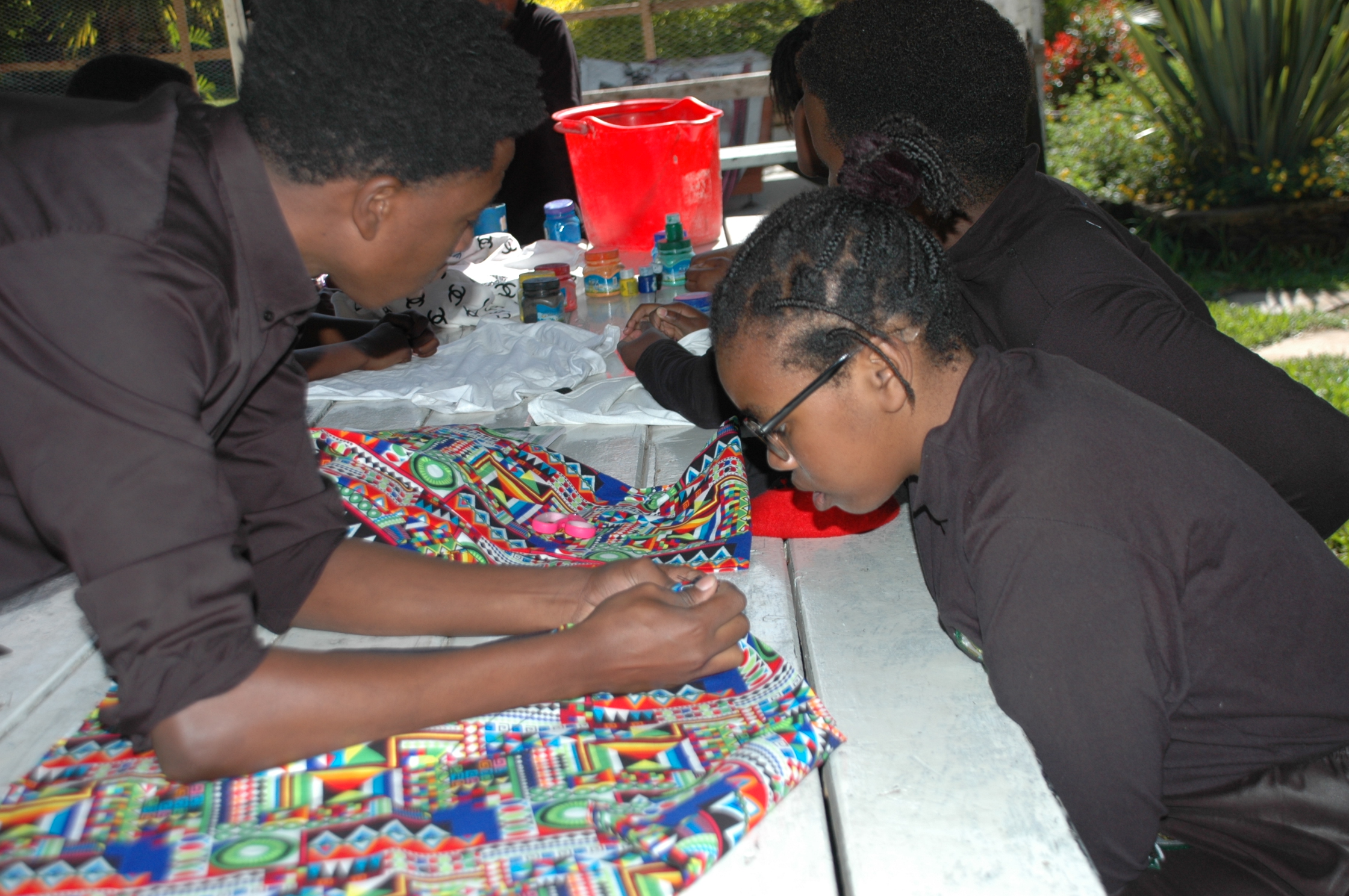
Every child deserves to feel seen and celebrated. At Freedom International Schools-Africa, we make this happen by integrating African heritage into the classroom. This approach helps students develop a deep connection to their roots. They learn to appreciate their unique cultural identity, which boosts self-esteem. Students thrive when they see themselves in their studies and stories. They don’t just learn facts; they learn about themselves. This understanding builds a foundation for personal growth and leadership.
Imagine students starting their day with a story from African folklore. They see characters that reflect their heritage and values. This empowers them to dream big and believe in their potential. When students know their history, they feel rooted in their community. They become eager to share their culture with peers from around the world. This cultural exchange fosters respect and understanding among diverse groups, a crucial step in becoming a global citizen.
Critical Thinking Skills
Critical thinking is a vital tool for navigating our complex world. Our program encourages students to ask questions and seek answers. By exploring cultural perspectives, they develop the ability to analyze situations critically. This skill is not just theoretical; it’s a life skill. It prepares them for challenges and opportunities globally.
In our classrooms, students engage in discussions that challenge the status quo. They debate ideas, learn from each other, and build confidence in their opinions. This active learning process strengthens their analytical skills. When students practice critical thinking, they learn to view problems from multiple viewpoints. This ability is invaluable in today’s interconnected world, where solutions require diverse insights.
Fostering Student Leadership
Leadership isn’t just about taking charge; it’s about inspiring others. Our school nurtures this quality by creating a supportive environment for all students.
Inclusive Learning Environments
Every student should feel they belong. Our inclusive classrooms ensure that no one is left behind. By embracing diversity, we create a community where everyone’s voice is heard. Students work together on projects, learning to appreciate different perspectives. This collaboration teaches them that leadership is about teamwork and empathy.
In our school, students participate in group activities that celebrate each culture. They learn to lead with respect and understanding. This fosters a sense of unity and encourages them to take initiative. Students learn that their contributions matter, boosting their confidence and leadership skills. Inclusive environments prepare students to be leaders who value diversity. They understand that everyone has something to offer, making them more effective in group settings.
Celebrating Cultural Heritage
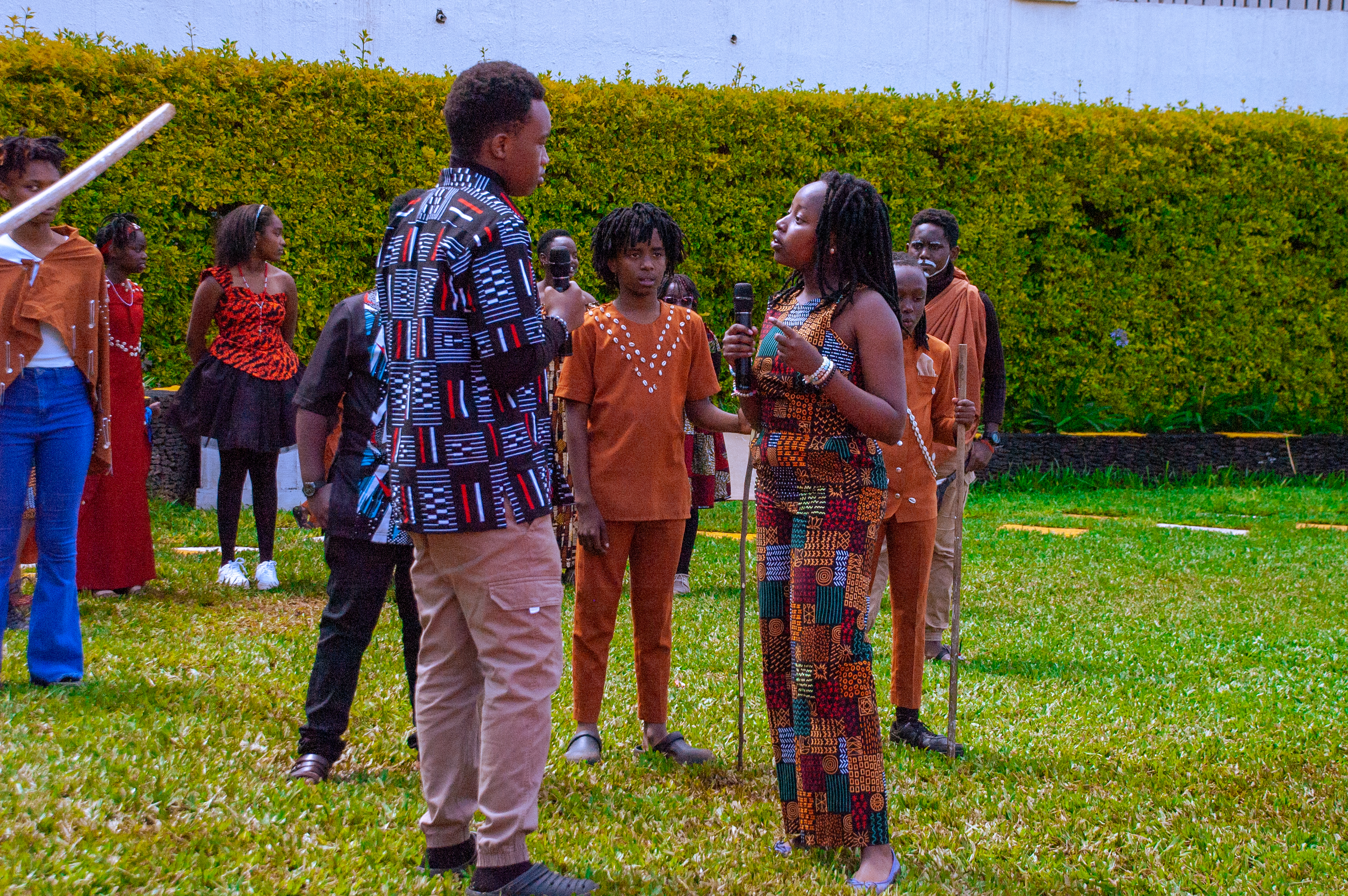
Honoring cultural heritage is central to building a cohesive community. At Freedom International Schools-Africa, we celebrate various traditions and customs. This celebration enriches the learning experience and strengthens community bonds. Students participate in cultural festivals and events, gaining firsthand experience of different traditions.
Through these activities, students learn the importance of respecting and preserving cultural diversity. They become proud ambassadors of their heritage, ready to share it with the world. Celebrating heritage teaches students to value their background while appreciating others. It fosters a sense of pride and belonging, essential for developing global citizens.
Afrocentric Education Benefits
Our Afrocentric approach offers unique benefits, equipping students with skills and values that transcend borders.
Global Competency Skills
Developing global competency is key to thriving in an interconnected world. Our curriculum emphasizes skills like collaboration, communication, and adaptability. Students engage with international peers, gaining insights into different cultures. This exposure helps them become open-minded and culturally aware.
Students learn to navigate diverse environments with ease. They practice communicating in various settings, enhancing their ability to connect with others. These skills are crucial for success in global arenas, from business to diplomacy. By nurturing global competency, we prepare students to be effective global citizens. They become adaptable leaders who can work with anyone, anywhere.
Strengthening Community Connections
Strong communities are built on shared experiences and values. Our school fosters these connections by involving families and local organizations in the learning process. Students participate in community projects, learning the value of service and collaboration.
These initiatives teach students that they are part of something bigger than themselves. They learn to give back and support their community, reinforcing the importance of unity. By strengthening community ties, we create a supportive network for students. This network helps them grow into compassionate leaders who prioritize collective well-being.
🌍📚✨
In conclusion, culturally inclusive curriculums are vital for nurturing well-rounded global citizens. They empower students with a strong sense of identity, critical thinking skills, and leadership abilities. By embracing diversity and heritage, we prepare students for a future where they can make a meaningful impact, both locally and globally.