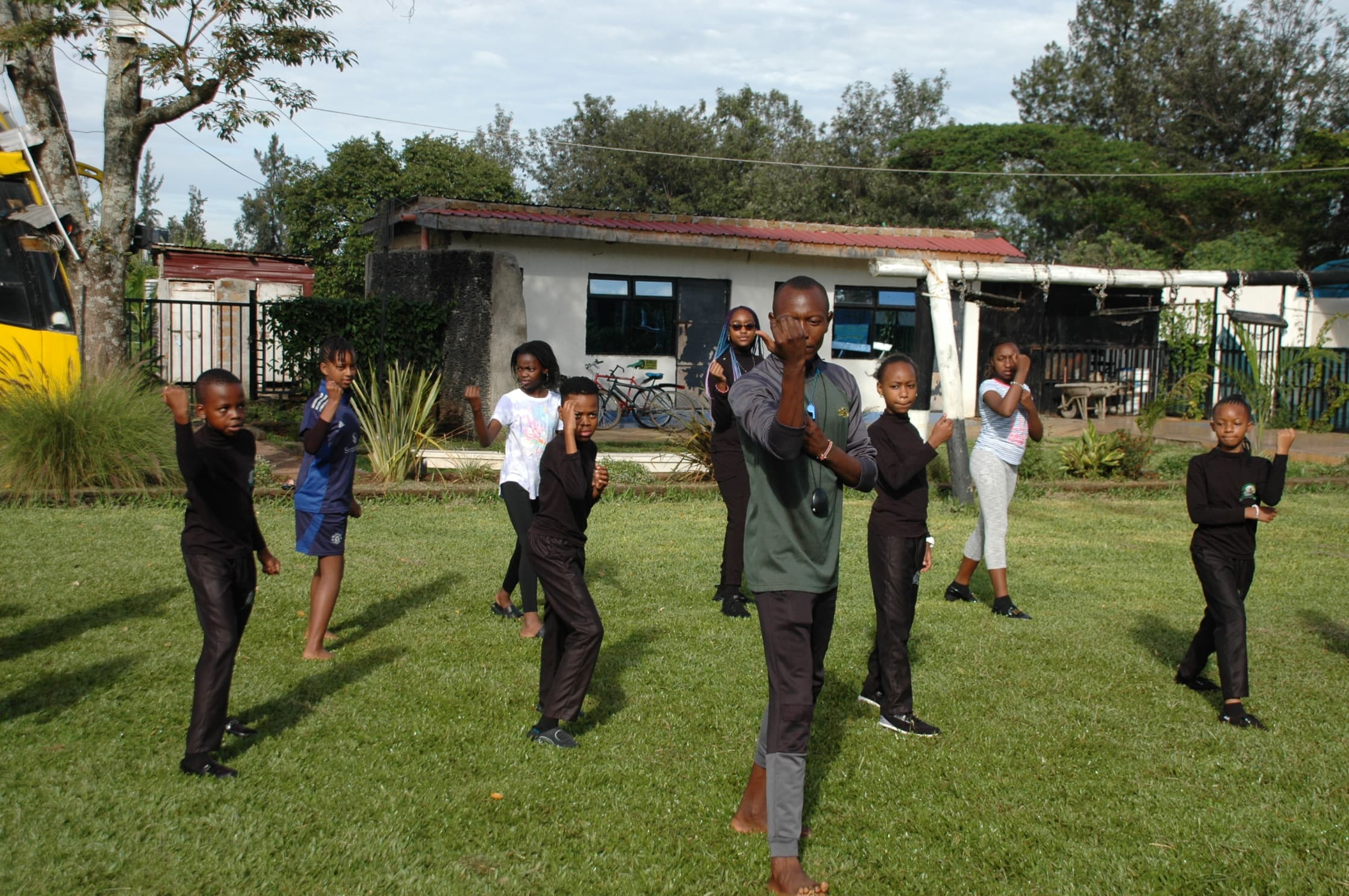
Community Engagement: A Pillar for Educational Growth and Cultural Pride
Community engagement is not just a bonus—it’s the heart of holistic education and cultural pride! When your child connects deeply with their community, their learning grows beyond books. At Freedom International Schools-Africa, we see how Afrocentric education and active community involvement build confident leaders who celebrate their heritage every day. Let’s explore how joining hands with your local community transforms educational growth and nurtures lasting cultural pride! Learn more here.
Community Engagement in Education
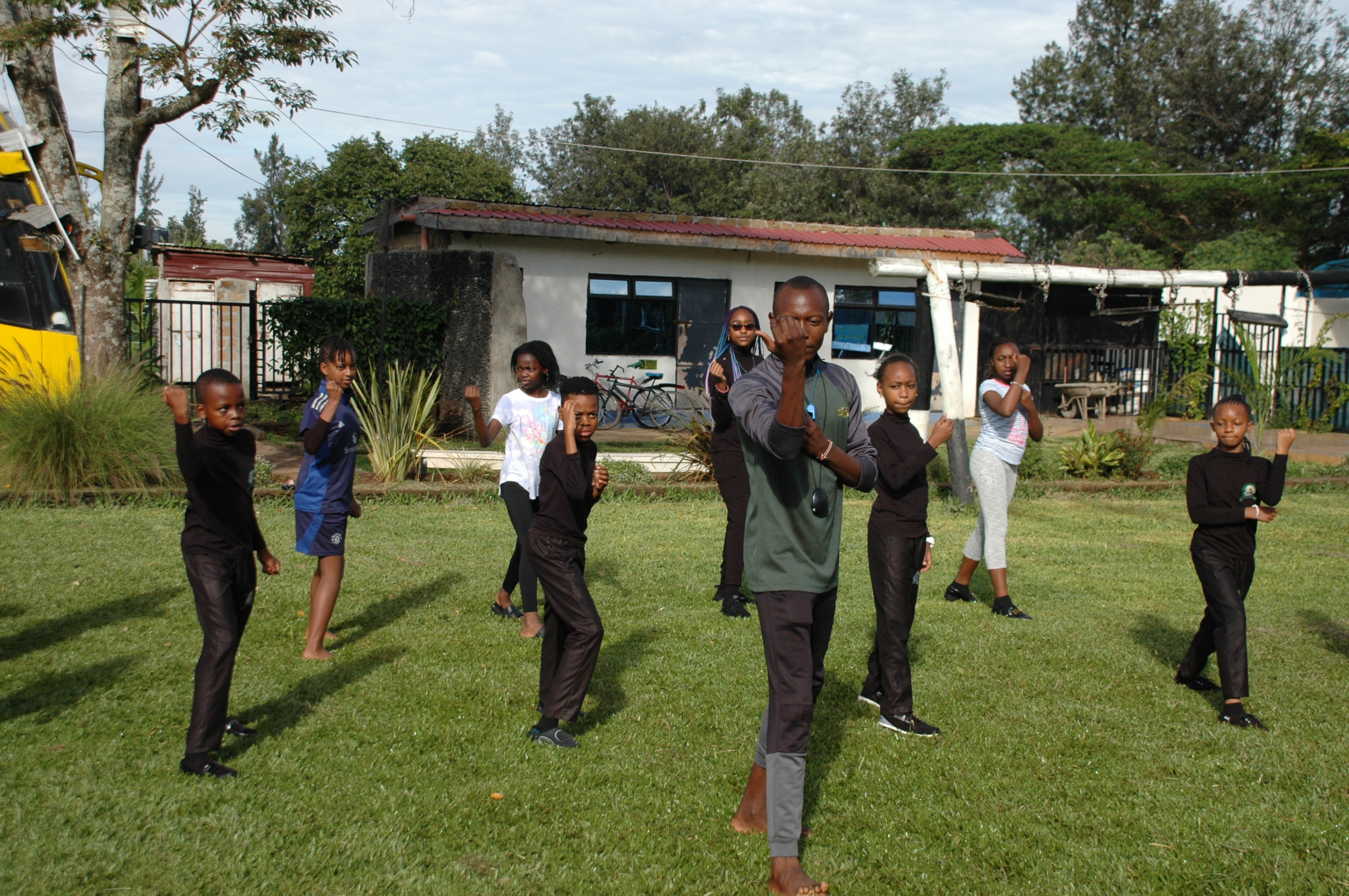
Enhancing Holistic Learning
Imagine your child learning both in the classroom and with the community. This approach enriches their understanding of the world. When students engage with their surroundings, they connect lessons to real life. They see how subjects apply beyond textbooks.
Participation in community programs boosts their knowledge. Students learn by doing. Hands-on projects show them how to solve problems. This method encourages critical thinking. It teaches them to approach challenges with curiosity and creativity.
Students also gain social skills. They work with diverse groups, learning to communicate and collaborate. These interactions build their confidence. They become more adaptable, ready to face future obstacles. Community engagement makes education more meaningful and memorable.
Building Cultural Pride
Community programs also instill cultural pride. Students discover their roots and celebrate their heritage through local interactions. This awareness fosters a sense of belonging. They learn to appreciate their history and identity.
Involvement in community traditions strengthens their cultural ties. Students participate in festivals, storytelling, and heritage projects. They see their culture honored and valued, boosting their self-esteem. This pride motivates them to share their heritage with others.
By engaging with their culture, students become ambassadors of their identity. They learn to respect different backgrounds while valuing their own. Cultural pride becomes a core part of their character, influencing their actions and decisions.
Afrocentric Curriculum Benefits
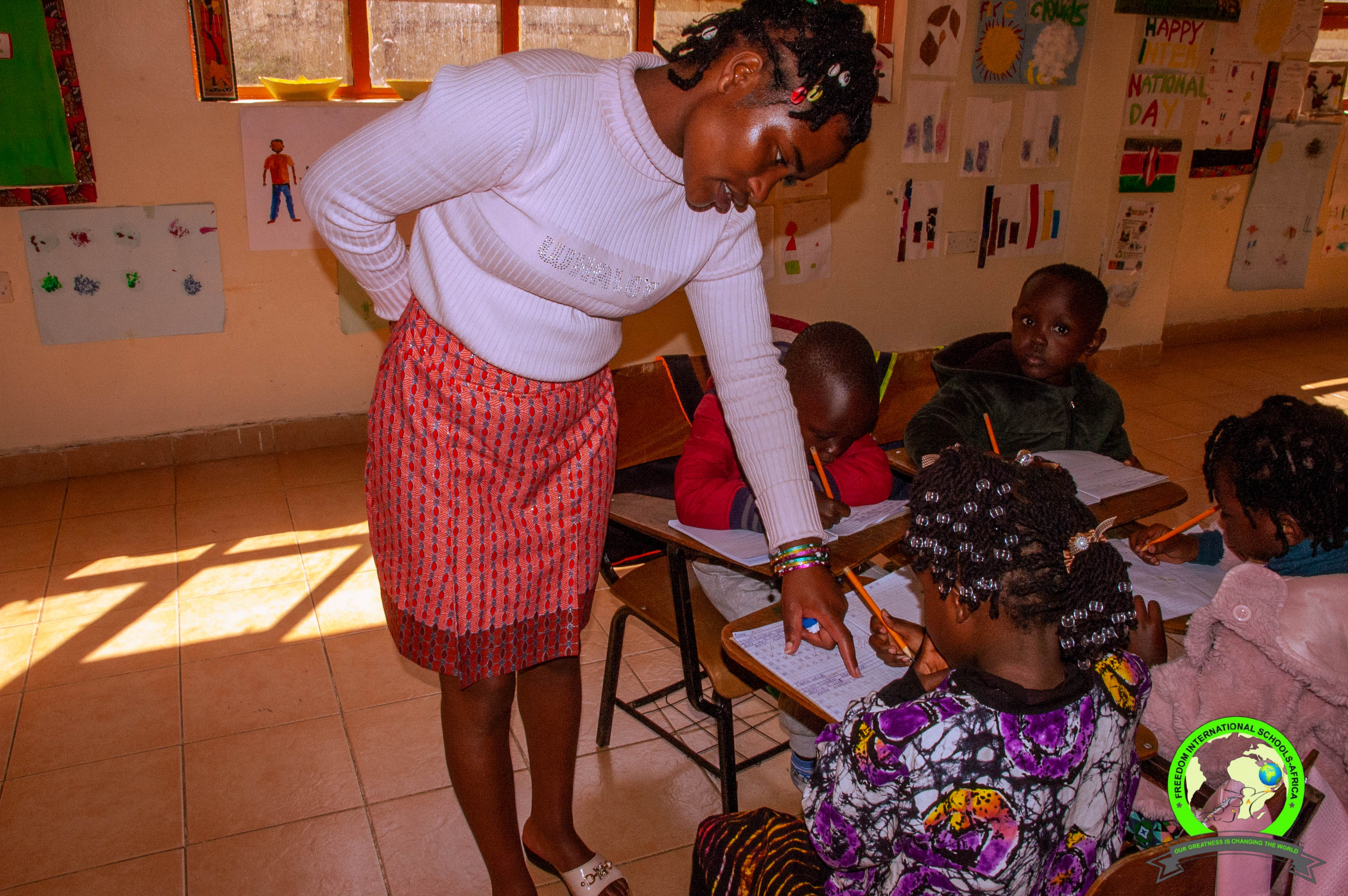
Empowering Future Leaders
An Afrocentric curriculum is key to developing future leaders. It integrates African values and perspectives, offering a unique learning experience. Students become aware of their potential to lead and inspire change.
This curriculum highlights African achievements and contributions. Students learn about influential figures and historical events. These stories inspire them to dream big and set ambitious goals. They see themselves as part of a legacy of greatness.
Leadership skills are nurtured through this education. Students engage in activities that develop their decision-making abilities. They learn to lead with empathy and integrity. This foundation prepares them to make a positive impact on their world.
Fostering Identity and Belonging
Identity and belonging are nurtured in an Afrocentric learning environment. Students explore their cultural background, gaining a deeper understanding of themselves. This self-awareness fosters a strong sense of identity.
Classes incorporate stories, music, and art that reflect African culture. Students see their experiences represented in their education. This representation validates their identity, making them feel valued and respected.
Belonging is further strengthened through collaborative projects. Students work together, celebrating their cultural similarities and differences. These interactions create a supportive community where everyone feels accepted.
Inviting Community Participation
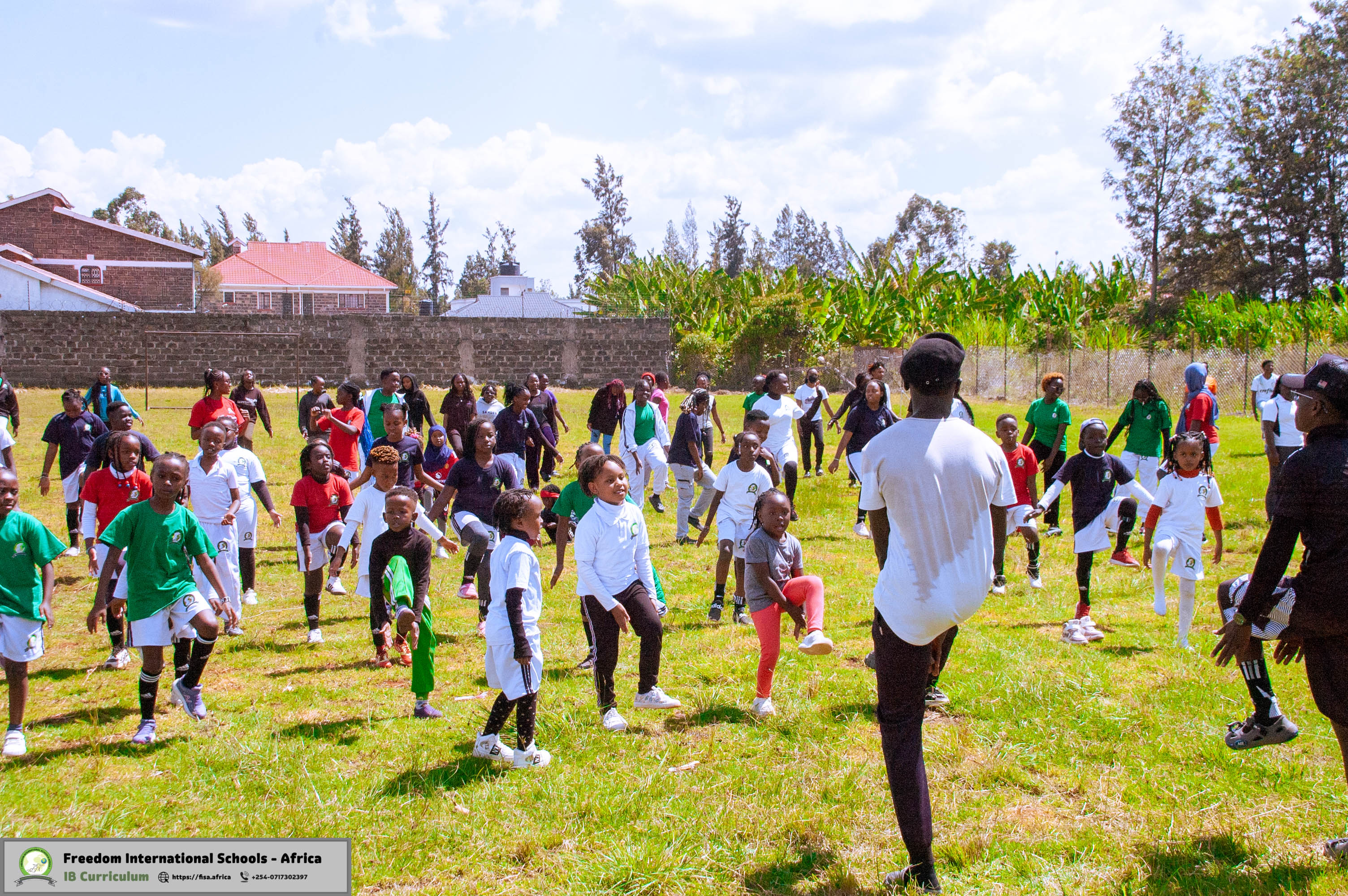
Supporting Educational Initiatives
Community engagement plays a vital role in supporting educational growth. Local organizations and families collaborate to offer resources and opportunities. These partnerships enrich the learning experience.
Community members can mentor students, sharing their skills and knowledge. This guidance helps students explore career paths and develop new interests. It also provides them with real-world insights and experiences.
Schools benefit from these collaborations, gaining access to additional resources. Community support enhances programs and facilities, improving the overall educational environment. This partnership creates a shared commitment to student success.
Celebrating Student Achievements
Celebrating achievements is essential to fostering motivation and pride. Community events highlight student successes. These celebrations acknowledge hard work and dedication, inspiring others to strive for excellence.
Recognition can take many forms, from awards ceremonies to local newspaper features. These occasions not only honor students but also bring the community together. They create a sense of unity and shared accomplishment.
By celebrating achievements collectively, students understand the value of their contributions. They see how their efforts impact their community, reinforcing their commitment to learning and growth.
In conclusion, community engagement is integral to educational growth and cultural pride. By connecting with their surroundings, students gain knowledge, confidence, and a sense of identity. They become leaders and ambassadors of their heritage, ready to make a difference in the world.