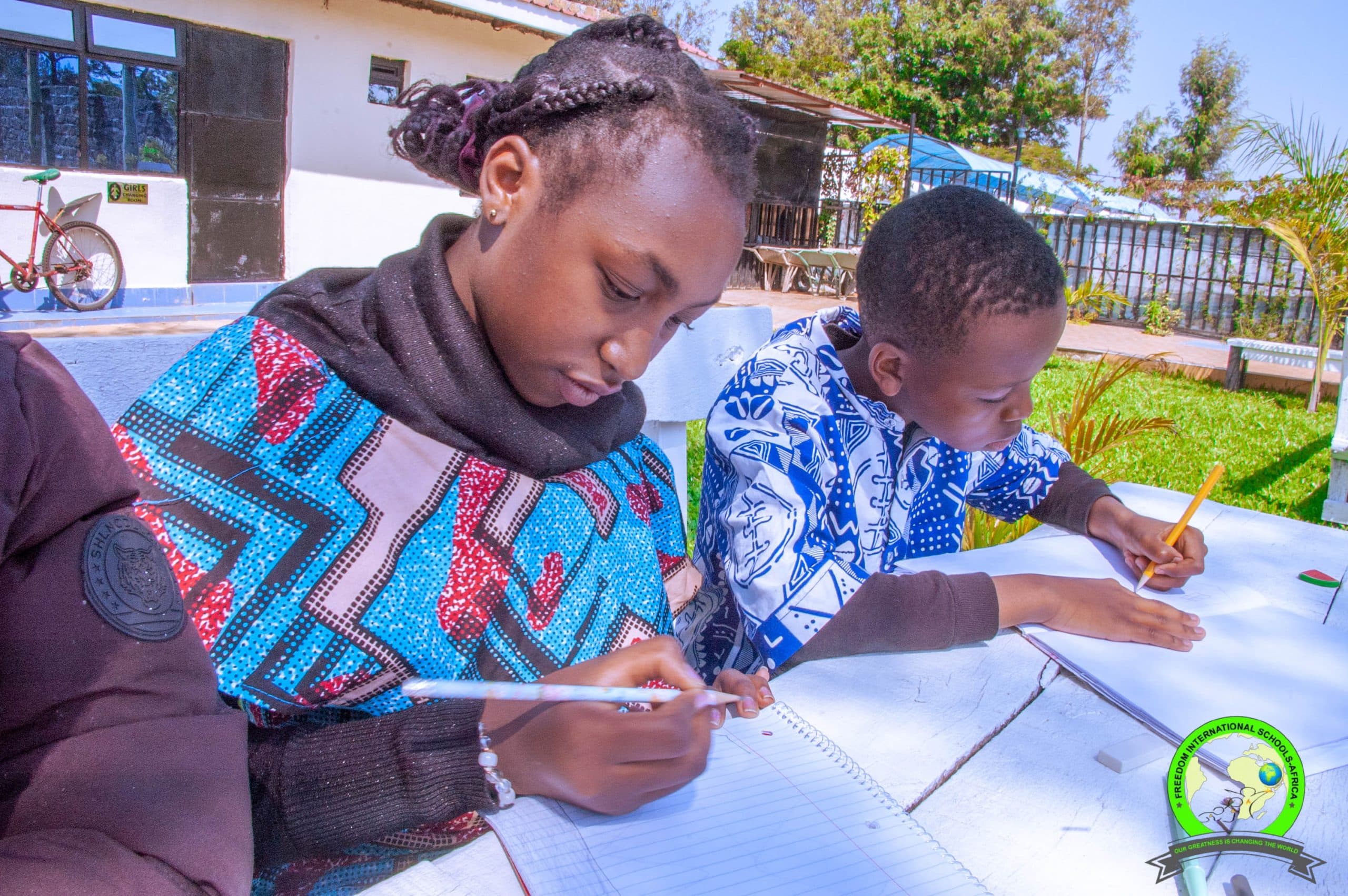
Afrocentric Activities That Ignite Problem-Solving and Innovation
Forget what you think problem-solving in schools looks like. At Freedom International Schools-Africa, we bring African heritage to life through hands-on activities that spark creativity and leadership. From Ubuntu team challenges to Mancala math games, your child will develop skills that matter. Ready to see how Afrocentric education shapes confident innovators? Keep reading! [https://fisa.africa/creative-roots-brilliant-solutions-afrocentric-activities-that-grow-problem-solvers/]
Afrocentric Education for Problem Solving
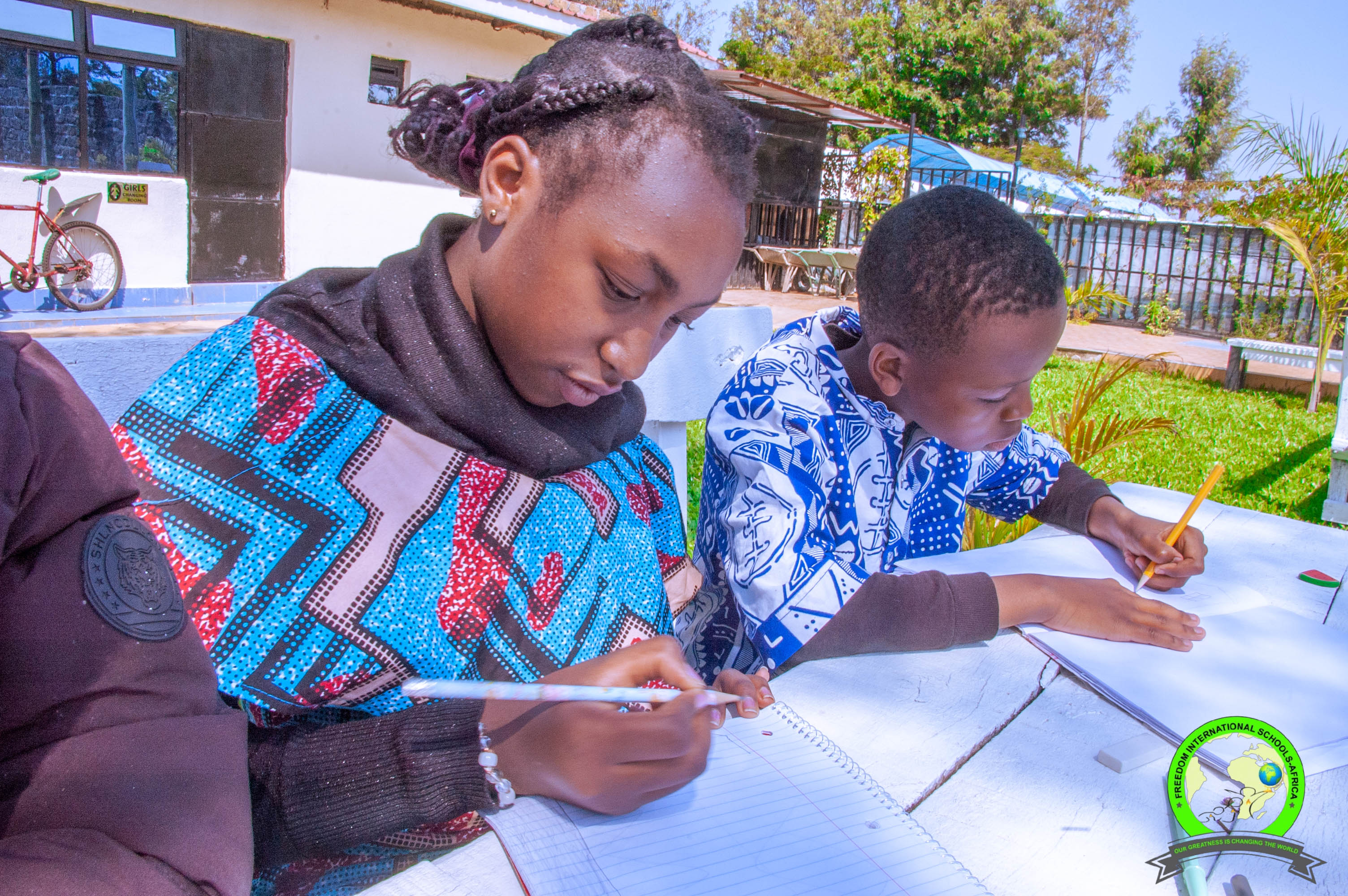
Let’s dive into how Afrocentric education fosters problem-solving skills. By weaving cultural elements into learning, students gain unique experiences that prepare them for future challenges.
Exploring Ubuntu Classroom Activities
In the Ubuntu classroom, cooperation is key. Students participate in activities that teach the value of community and teamwork. These exercises encourage them to think beyond individual success, highlighting the importance of collective achievement.
One popular activity involves solving puzzles together. Each student contributes a piece of the solution. This not only builds problem-solving skills but also strengthens bonds between classmates. By working together, children learn the power of unity.
Sankofa Learning Projects for Creativity
The Sankofa approach invites students to look back at African history to inspire forward-thinking solutions. Through creative projects, students explore their roots and bring past wisdom into present-day challenges.
Imagine a project where students create art inspired by historical events. They craft pieces using traditional materials, reflecting on what each symbol means. This activity fosters creativity while teaching about African heritage.
Using Adinkra Symbols in STEM
Adinkra symbols are more than just decorative; they hold deep meanings. In STEM classes, these symbols become tools for teaching concepts like balance and symmetry.
Students use symbols to design simple machines or structures. This approach merges culture with science, making lessons engaging and relatable. It shows students how their heritage can shape their understanding of the world.
Innovation in Schools Across Africa
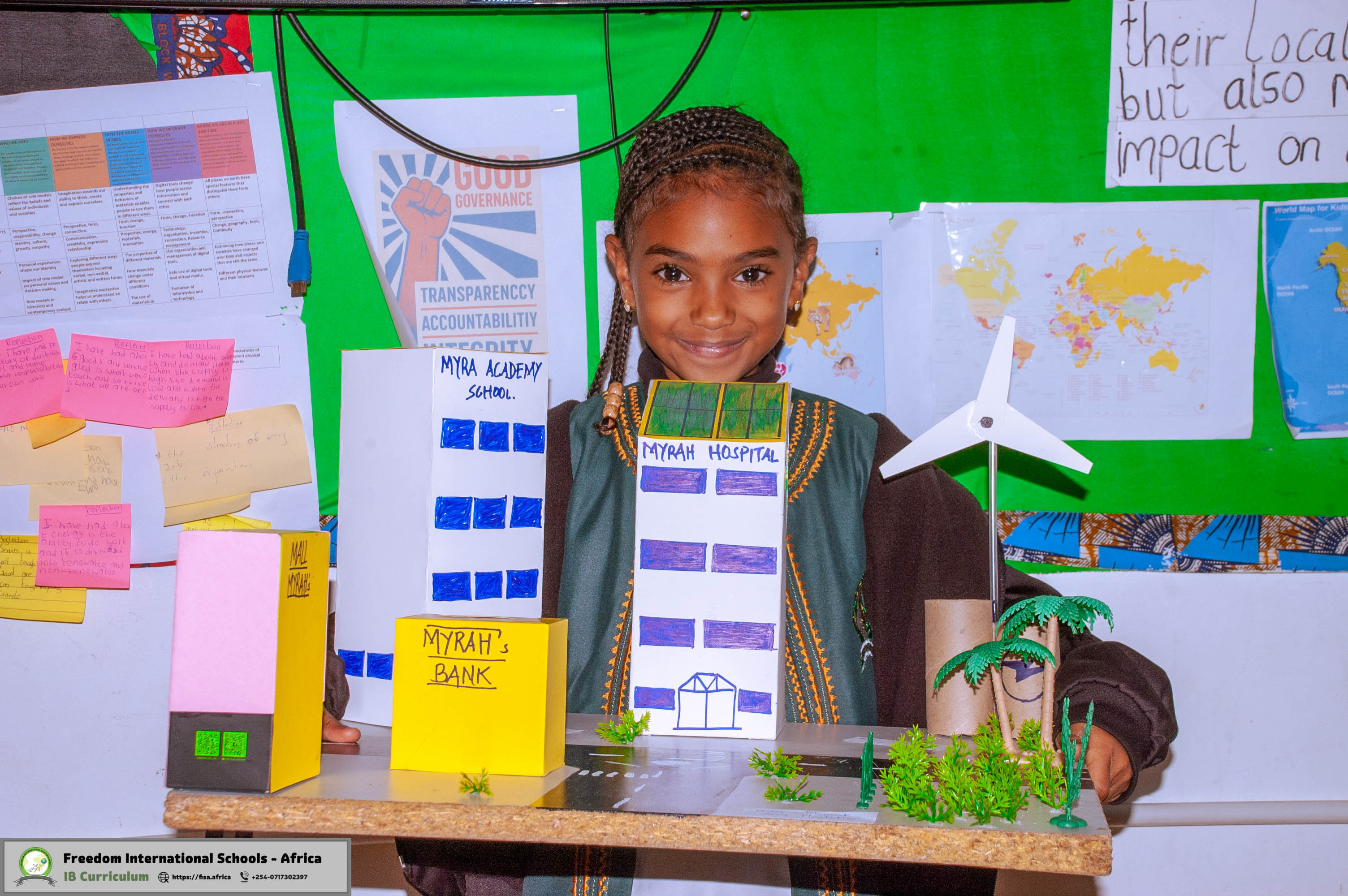
Innovation thrives when students connect their heritage with learning. Across Africa, schools are embracing creative methods to teach critical skills.
Mancala Math Games for Strategy
Mancala isn’t just a game; it’s a lesson in strategy and planning. Children learn to think ahead and anticipate their opponent’s moves. This cultivates critical thinking and sharpens decision-making skills.
By playing Mancala, students practice addition and subtraction naturally. It’s a fun way to enhance math skills while enjoying a traditional African game. This method transforms learning into an enjoyable experience. Check out how games like Mancala influence cognitive skills here!
Design Thinking for Kids
Design thinking encourages students to tackle problems with creativity. In these sessions, children identify challenges and brainstorm innovative solutions. They learn by doing, which strengthens their problem-solving abilities.
For example, students may redesign a classroom item for better use. This hands-on task teaches them to view problems from different angles. It nurtures their ability to think outside the box.
African Storytelling Education Techniques
Storytelling is an age-old African tradition, rich with lessons. By using stories, students learn morality and problem-solving. They hear tales that teach values like honesty and resilience.
Teachers use stories to introduce new concepts. By linking lessons to familiar narratives, students grasp ideas more quickly. This method makes learning both meaningful and memorable.
Engaging with African Heritage Learning

Learning comes alive when students engage with their heritage. It adds depth and relevance to their education.
Maker Education Africa with Recycled Materials
Maker education empowers students to create using recycled materials. This approach promotes sustainability while teaching practical skills. Students build projects like simple robots from everyday items.
Through making, they learn about resourcefulness and innovation. It shows them how to transform what others might discard into something valuable. Learn more about how this approach is transforming education.
Afrobeat Rhythm Patterns and Algorithms
Music and math intersect beautifully in Afrobeat rhythm classes. Students discover rhythm patterns and translate them into algorithms. This exercise enhances both musical and mathematical skills.
By understanding the structure behind music, they gain insight into coding and logic. It’s a rhythm-packed way to build foundational skills in a fun, engaging manner.
Community-Based Project-Based Learning 🌍
Projects rooted in community issues offer real-world learning. Students identify local challenges and develop projects to address them. This approach teaches responsibility and problem-solving.
These projects often involve collaboration with local leaders and experts. Students see the impact of their work firsthand, which inspires further learning. It shows them how they can make a difference in their communities.
In summary, Afrocentric education at Freedom International Schools-Africa offers a unique blend of cultural learning and problem-solving. By integrating heritage with innovative teaching methods, we prepare students to be confident leaders. Their journey is just beginning, and the potential is limitless!